
Update: July 25, 2026
| Quick answer: The top AI video production companies in 2026 are full-service studios — Gisteo, Synima, Lemonlight, and specialist native-AI shops like Delirio AI — that handle strategy, scripting, production, and post. These are distinct from AI video platforms like Seedance 2.0, Veo 3, Runway, and Synthesia, which generate raw clips you finish yourself. Hire a company for finished, on-brand video on a deadline; use a platform for simple DIY or internal content. |
Introduction
Search “top AI video production companies” and you’ll notice something odd: most of the lists are padded with software. You’ll see a “top 11 agencies” roundup that’s really nine SaaS tools and two actual companies, each described from the outside by a writer who has never shipped a client project with them.
I’ve spent the last few years on the other side of that glass. At Gisteo, we’ve produced over 3,000 videos since 2011, and for the last couple of years a growing share of that work has been AI-driven — cinematic brand films, avatar-led explainers, full campaigns. We subscribe to nearly every serious tool on the market and use them in production every week. So this guide is written from the chair of someone who actually makes these videos, not someone reviewing screenshots.
Here’s what I’ll cover: the crucial difference between an AI video company and an AI video platform (this is where most buyers get burned), the tools we actually reach for and what each is genuinely good at, the agencies worth knowing, and a straight-shooting way to choose. I’ll list Gisteo first — I’m not going to pretend otherwise — but I’ll tell you honestly when a DIY tool is all you need.
Why This Category Exists (And Why It’s Confusing)
The demand is real. Generative AI can cut video production time and cost dramatically compared to traditional workflows, and adoption has gone mainstream — the large majority of advertisers are already using or planning to use generative AI for video ads. Explainer videos and commercials remain the most common use case in video marketing, which is exactly the sweet spot for AI-assisted production.
But the market is a mess of terminology. “AI video production company,” “AI video studio,” “AI video platform,” and “AI video generator” get used interchangeably, and they are absolutely not the same thing. Understanding the difference is the most valuable thing you’ll take from this article, because it determines whether you get a finished, on-brand video or a folder of raw clips you now have to turn into something.
How Good Has AI Video Actually Gotten? The Spaghetti Test
If you formed your opinion of AI video in 2023, you’re working from a snapshot that’s badly out of date. And that matters, because a lot of buyers are still making decisions based on it.
Here’s the benchmark most people remember. Back in 2023, some of the first AI videos to go viral were clips of Will Smith eating spaghetti. They were grotesque, hilarious, and genuinely unsettling — hands melting into forks, noodles behaving like tentacles. The clips became shorthand for the whole category: proof that the tech was a novelty and “would never” get there.
I reran that exact test in July 2026. A few fresh clips: one indoors, one in Rome, a couple on the Amalfi Coast. Same subject, same premise, three years later. Here’s the result:
The difference is astonishing, right? It’s the gap between a curiosity and a usable production tool. Coherent hands. Consistent faces across shots. Real lighting. Food that behaves like food.
And here’s the part worth sitting with: I ran that test on Kling, which isn’t even the strongest generative model available right now. Seedance 2.0 is better. That’s the state of things — the second-tier option clears a bar that the entire industry called impossible thirty-six months ago.
What three years of progress implies about the next three
If that’s the delta from 2023 to 2026, it’s worth asking what 2029 looks like. Or 2032.
I don’t think anyone knows. But planning your content strategy around the assumption that AI video stays where it is today is the same bet people made in 2023, and it didn’t age well.
If the story of AI video were a book, we’d still be in the prologue.
Yes, there’s a mountain of garbage
I’ll be the first to admit it. As these tools spread, the slop multiplies — bad video, bad images, bad writing. That’s real, and anyone telling you otherwise is selling something.
But let’s be honest about the history here. Mediocre content long predates AI. The internet was already drowning in clickbait and spammy ads. Every time new technology arrives — digital cameras, YouTube, smartphone video — the barrier to entry drops and a flood follows. Then the flood recedes and what’s left is a larger group of people making genuinely good work with tools that used to be gated.
A lot of creatives are still dismissing all of this as “AI slop,” and I understand the reflex. When your craft feels threatened, contempt feels safer than curiosity. But contempt isn’t a plan.
The thing that’s actually getting scarce
Here’s what I think the slop problem reveals: the technology is being democratized. Discernment isn’t.
Anyone can generate a clip now. Far fewer people can tell you whether it’s any good, whether it serves the message, whether the pacing works, whether the concept was worth making in the first place. Judgment — knowing what’s actually good and why — is becoming the most valuable thing a creator brings to the table. That’s precisely the layer an AI video production company sells, and it’s precisely what a subscription can’t give you.
The Distinction That Actually Matters: Companies vs. Platforms
Platforms (or engines) — Seedance, Runway, Synthesia, HeyGen, Sora, Veo 3, Midjourney, Kling, and the rest — generate media from prompts. You type or upload, they output avatars or clips. They are genuinely powerful and they get better monthly. But a platform hands you raw material. You still need the concept, the script, brand governance, review cycles, licensing checks, captions, sound design, and channel-correct exports. The platform doesn’t do any of that. You do, or someone on your team does.
Companies (or studios/agencies) deliver the finished thing: strategy, scripting, creative direction, prompting expertise, editing, revisions, rights clearance, QA, and delivery in the formats each channel needs. A good company uses the platforms above as instruments — the way a recording studio uses microphones — but the deliverable is a polished video, not a login.
Here’s the rule of thumb I give people: use a platform for simple, internal, experimental, or high-volume templated content. Hire a company when you need on-brand video with a deadline, revision cycles, and someone accountable when the first cut isn’t right.
The trap is buying a $30/month platform subscription expecting agency output, then discovering that “AI-generated” still means forty hours of prompting, re-rolling, stitching, and editing before anything is usable. The other trap — the one those padded listicles create — is thinking a piece of software is a company. If your shortlist is mostly tools you’d be operating yourself, you don’t have a shortlist of production partners. You have a shopping cart of subscriptions.
The AI Video Tools We Actually Use (And What Each Is Good For)
We pay for nearly all of these. Here’s the honest working assessment from real client production — not spec-sheet summaries.
Seedance 2.0 (ByteDance) — our first reach for cinematic work
Right now this is the first tool we open on cinematic projects, and it isn’t close. Seedance 2.0 is a multimodal model that accepts text, images, video, and audio — up to a dozen reference assets in a single generation — and outputs cinematic multi-shot sequences with native audio already synced.
Two things make it a genuine leap for a production shop:
Character consistency across shots. This has historically been the hardest problem in AI video — keeping the same person recognizably the same person from cut to cut. Seedance handles it with reference imagery and storyboard inputs in a way that changes what you can attempt. A three-shot scene with a recurring character used to be a fight. Now it’s a generation.
Audio generated with the visuals. Dialogue, ambient beds, and sound effects come out matched to the frame, which collapses an entire post-production step. You’re not scoring a silent clip after the fact.
Practical technique note from our own use: start-frame anchoring is your friend for consistency, and vague character descriptions tend to drift toward famous faces — over-specifying unremarkable features is the fix. It’s the closest thing yet to directing rather than prompting-and-praying.
Veo 3 (Google DeepMind)
Still excellent for photoreal realism, natural motion, and believable physics and lighting. It stays in our rotation, particularly for single hero shots where the look has to be flawless. Seedance has largely taken over the multi-shot, character-driven work where consistency is the priority.
Sora (OpenAI)
Strong for imaginative, stylized, or surreal sequences and longer coherent shots. Great for concept work and mood. Less predictable when you need an exact brand-specific look nailed on the first pass.
Runway (Gen-3/Gen-4)
Our editing-adjacent workhorse. The control modes, image-to-video, and video-to-video features make it invaluable when you already have assets and editors in-house. It’s a creative platform more than a full-service anything — no strategy or consultation layer, by design.
Midjourney
Not video, but foundational to our cinematic pipeline for generating consistent still frames, style references, and character plates that then get animated. Style control here is best-in-class.
Kling
Reliable for dynamic, high-motion scenes where other tools get mushy. A useful specialist in the rotation.
Synthesia
The enterprise avatar standard. 230+ avatars across 140+ languages makes it the default for training, L&D, and repeatable internal content that needs to scale and localize. Predefined avatars mean limited emotional range — fine for a policy update, not for nuanced storytelling.
HeyGen
Fast avatars plus genuinely good dubbing and translation. Excellent for quick how-tos, internal comms, and rapid multilingual versions. Our pick when speed and language coverage beat cinematic polish.
Colossyan
Another strong avatar/text-to-video option, particularly for scenario-based and interactive educational content with multiple avatars in a scene.
Adobe Suite
The unglamorous truth: every one of the above gets finished in Premiere and After Effects. The editing, color, motion graphics, and QA layer is what separates a client-ready video from a promising raw clip. This is the step the tool-only lists never mention, and it’s where most of the actual work lives.
The meta-point: no single tool does everything, and the skill isn’t in any one of them — it’s in knowing which to reach for per shot, how to prompt it, and how to stitch the outputs into something coherent and on-brand. That knowledge is the product an AI video company actually sells.
The Top AI Video Production Companies
1. Gisteo
Best for: Businesses that want finished, on-brand AI video — explainers, commercials, campaigns — with human scripting and strategy baked in, at a fair, transparent price.
We blend 14+ years and 3,000+ projects of storytelling experience with a full modern AI stack. We offer two clear formats: Avatar AI (lifelike on-screen presenters delivering your script in any language) and Cinematic AI (branded scenes, montages, and commercials built from scratch — no actors, no sets, no six-figure budget).
What sets the work apart isn’t the tools; everyone can buy the same subscriptions. It’s the human layer — concept, script, creative direction, prompting expertise, and post-production polish — plus knowing the stack deeply enough to pick the right model per shot. AI does the heavy lifting; a decade-plus of creative judgment makes sure the result actually communicates and converts.
Recent proof: for 62or70.com, a Social Security claiming tool, we produced an AI campaign that hit a 68% view rate (more than 2x the YouTube average) and a 16% Facebook click-through (roughly 10x the platform norm) — the kind of numbers that used to require a $100K+ live-action budget. We also produced a 30-second AI commercial for an Atlanta luxury car rental service that’s currently streaming on Netflix’s advertising platform.
- Formats: Avatar AI and Cinematic AI
- Pricing: Transparent and published. Avatar AI from $1,000 for the first 30 seconds; Cinematic from $3,500 for 60 seconds, custom-quoted by scope. Two revision rounds standard.
- Turnaround: Avatar projects often in days; cinematic typically 1–2 weeks depending on scope.
- Clients include: Intel, Harvard, Bills.com
- The honest edge: We’re an actual production company, not a platform you operate yourself. You brief us; you get a finished video.
Explore formats, pricing, and examples on our AI video production services page.
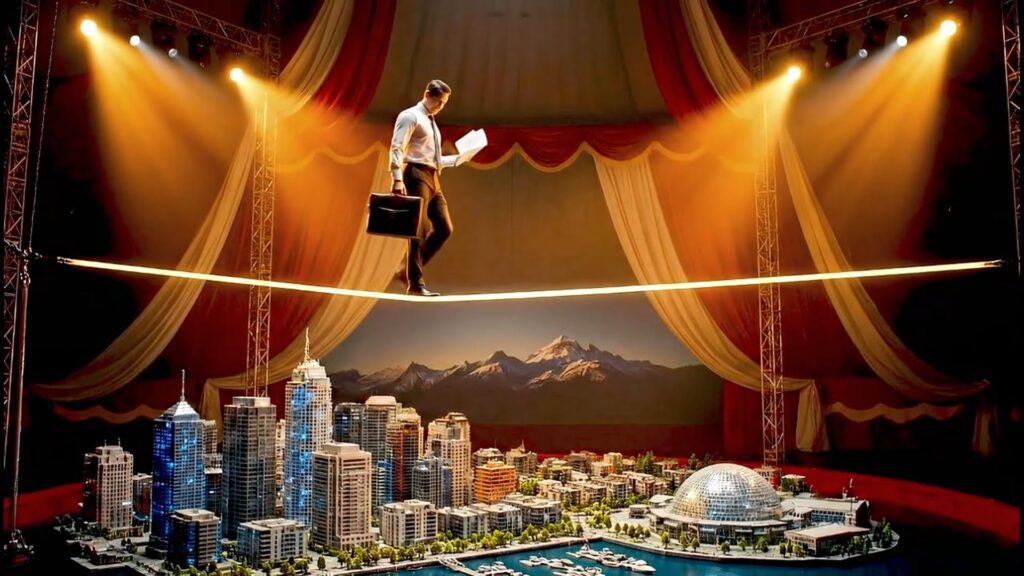
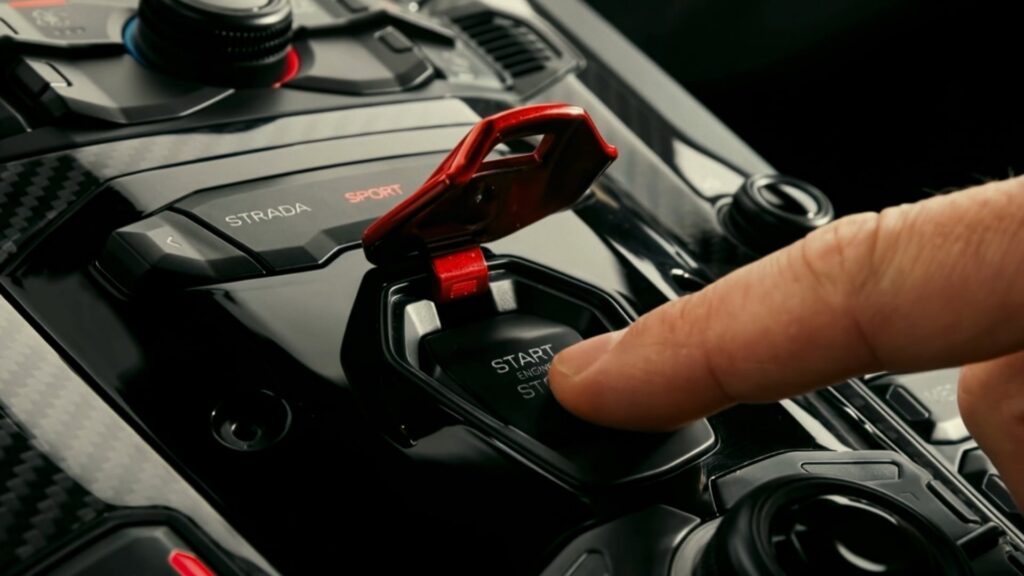
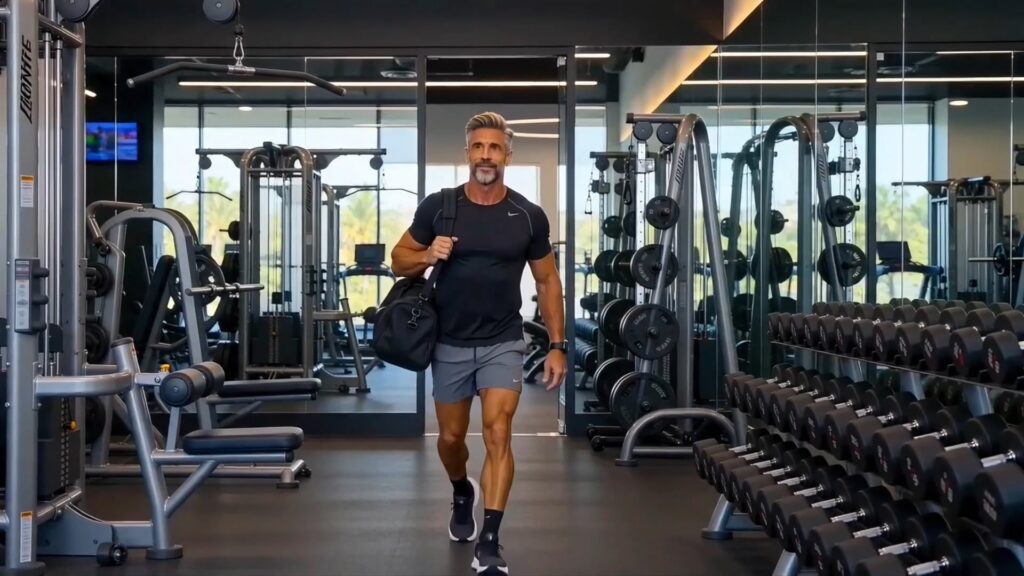
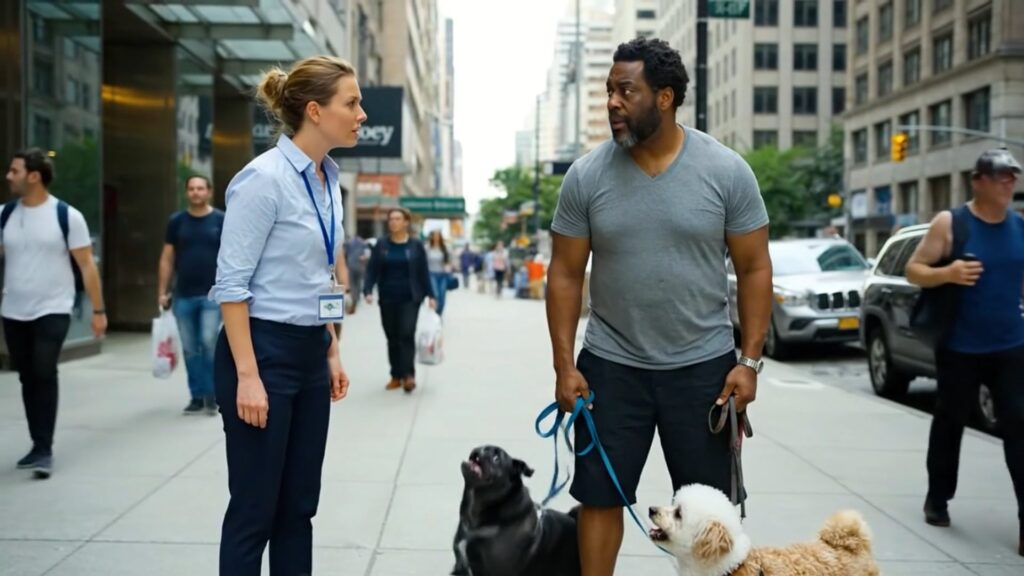
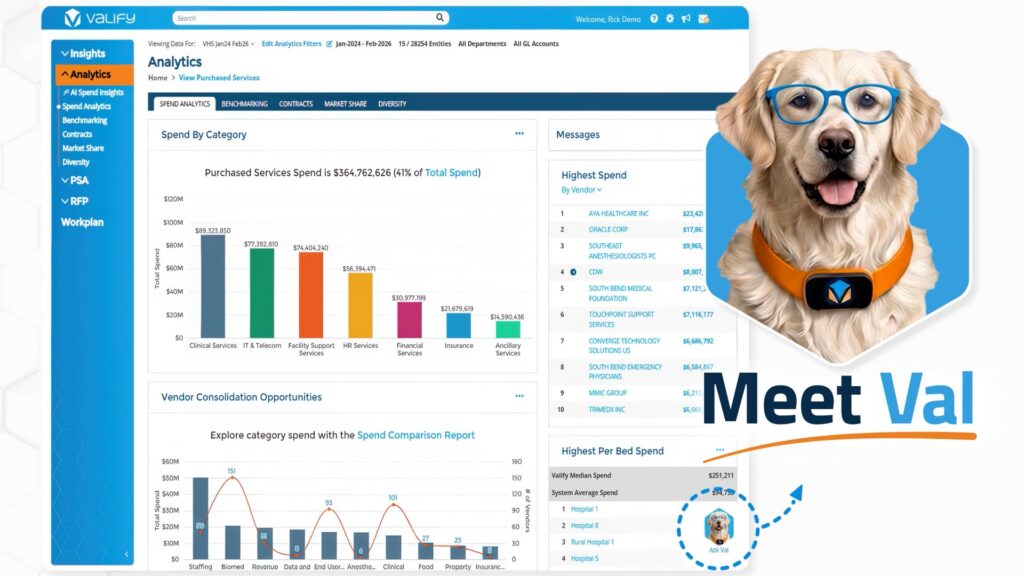
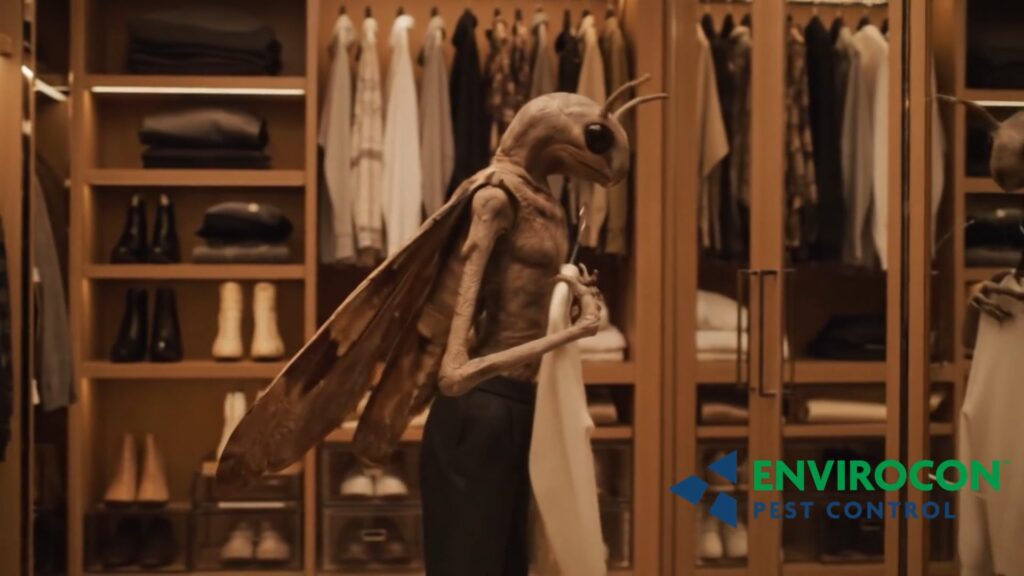
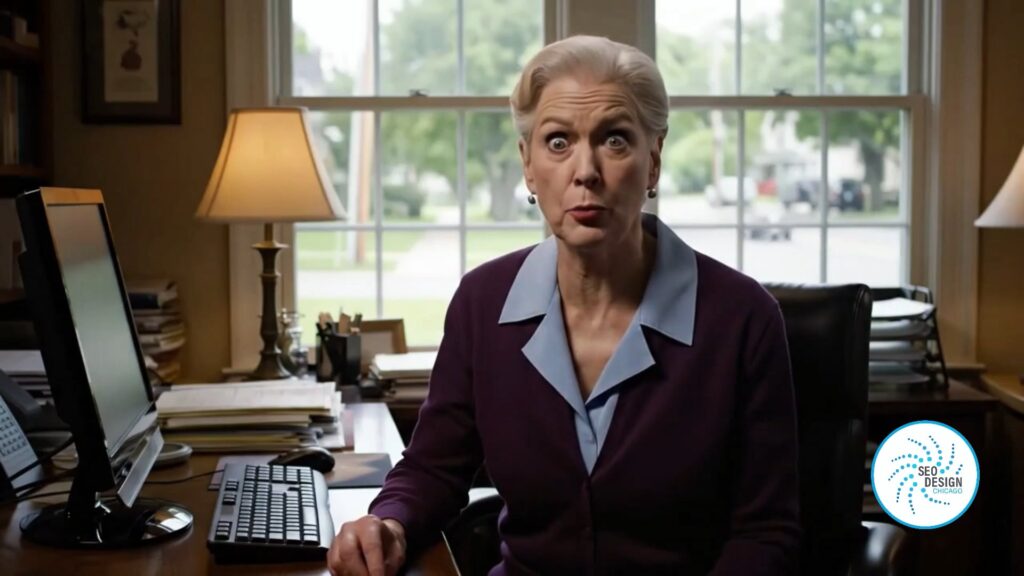
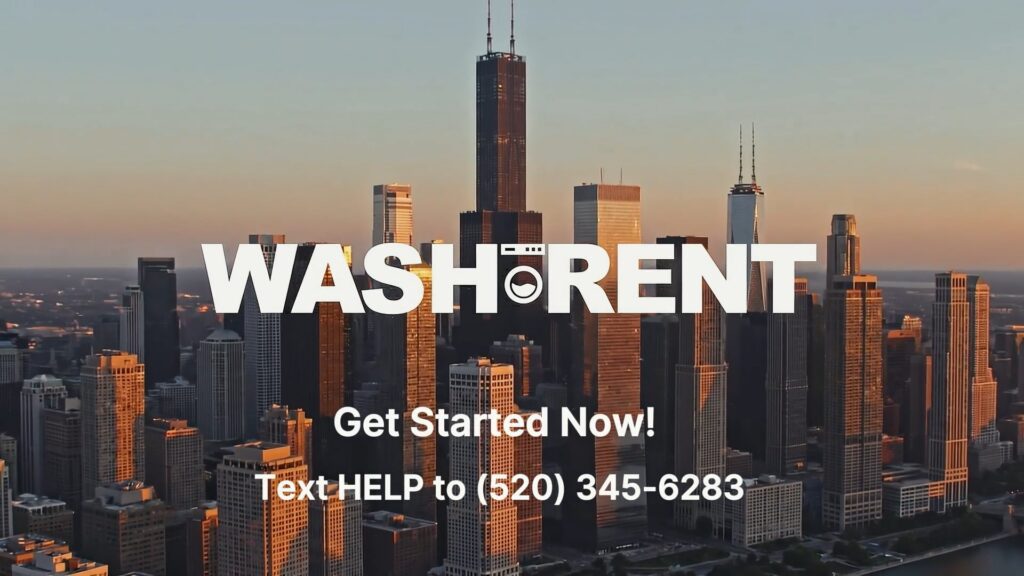
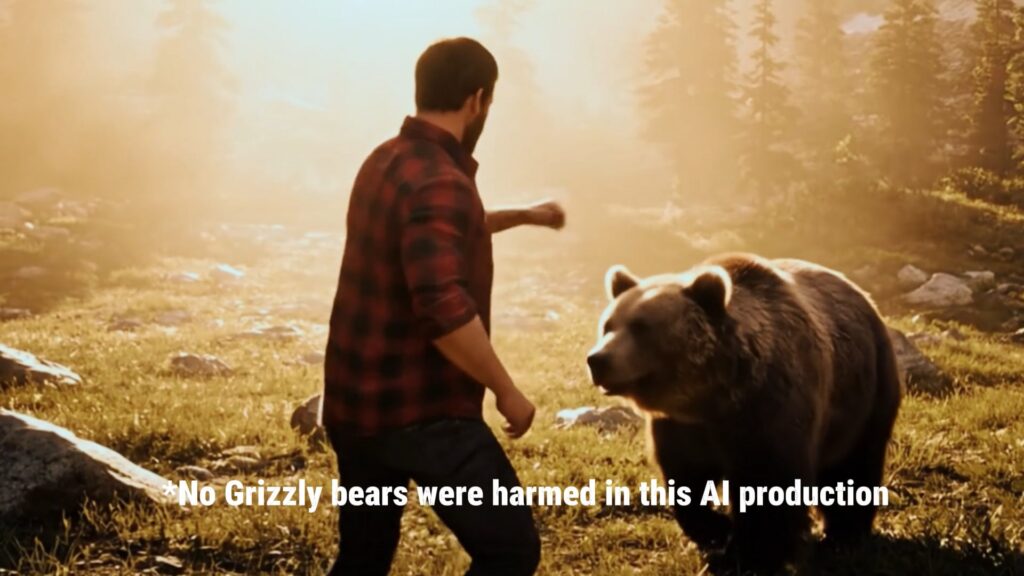
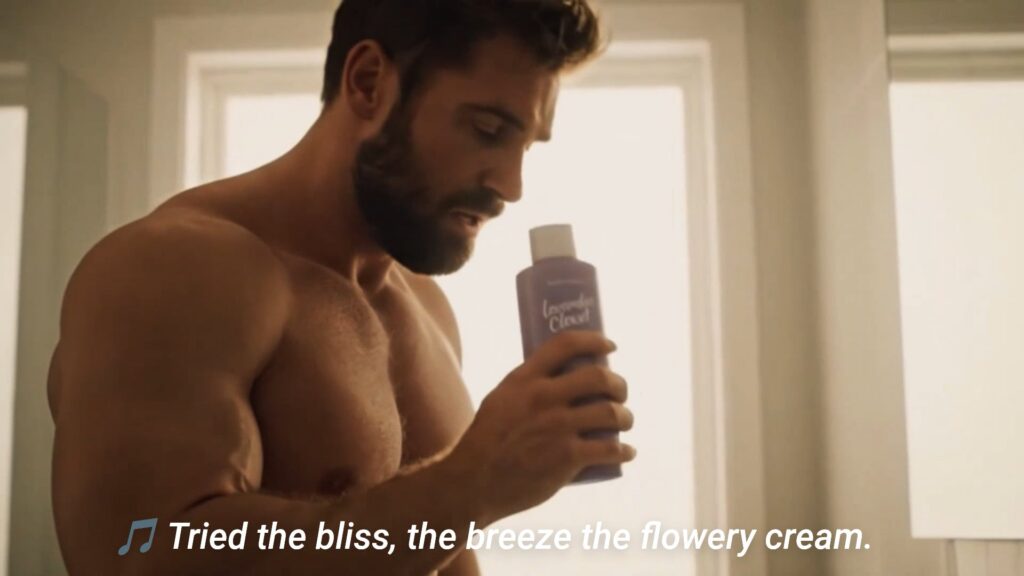
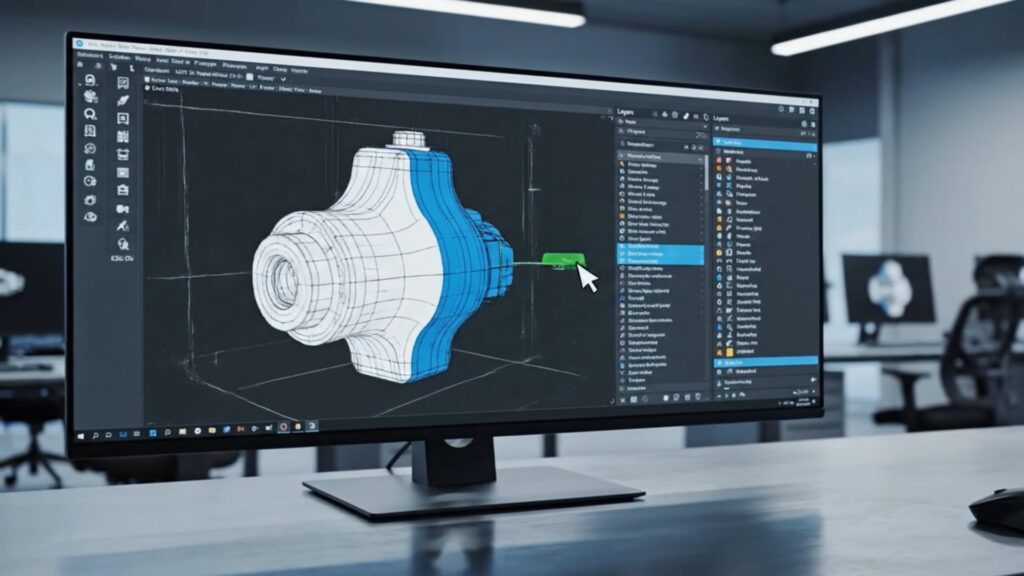
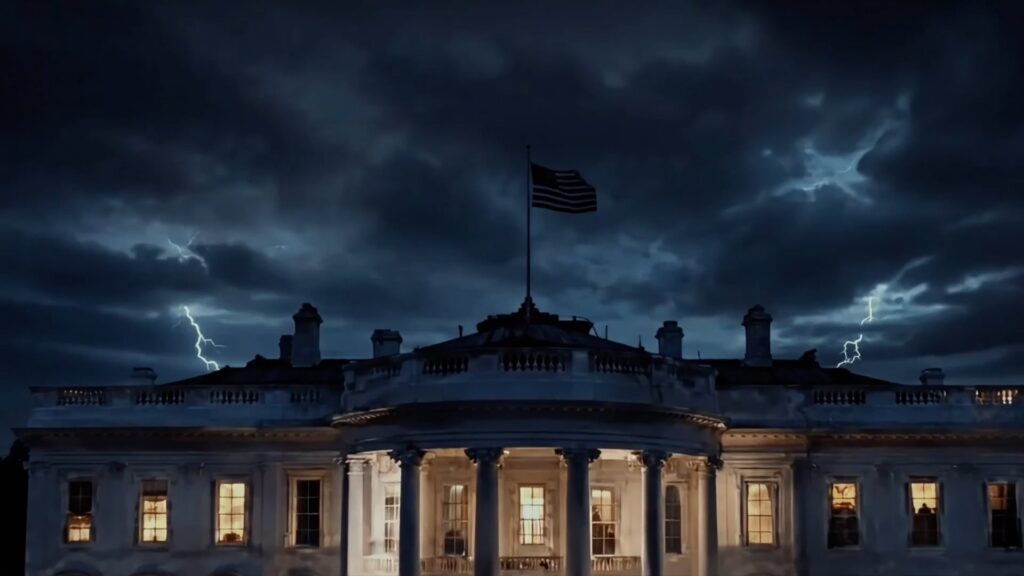
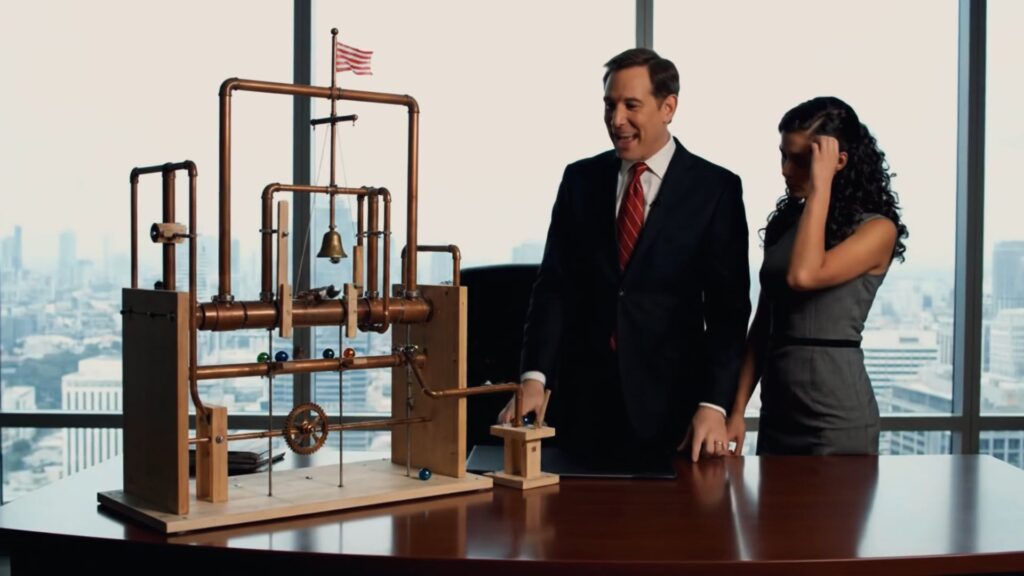
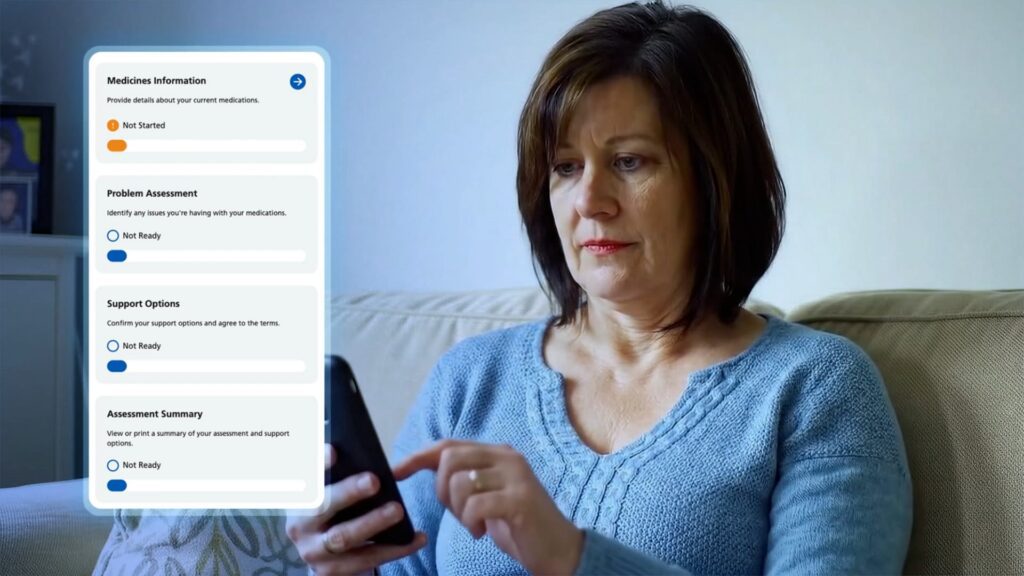
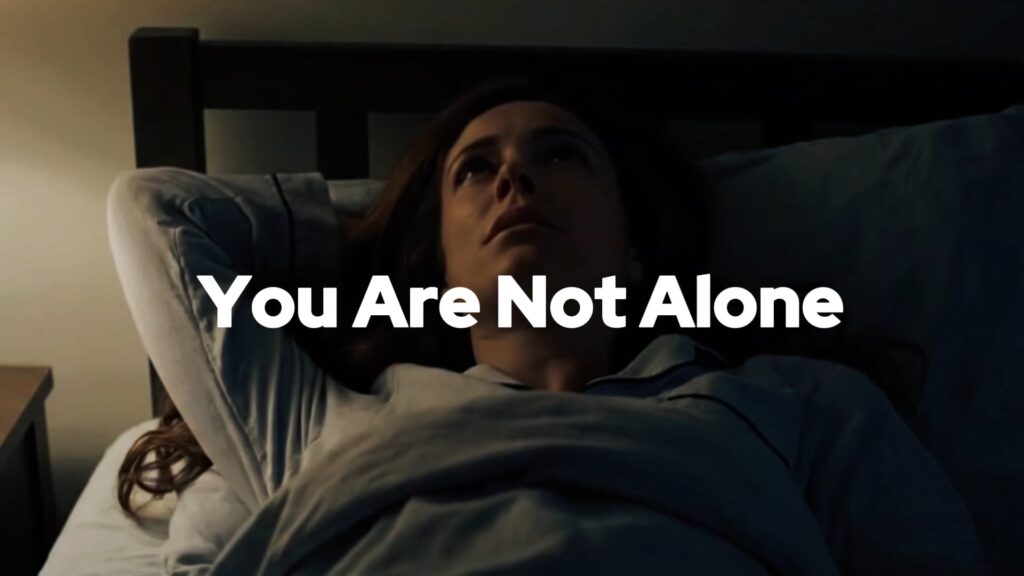
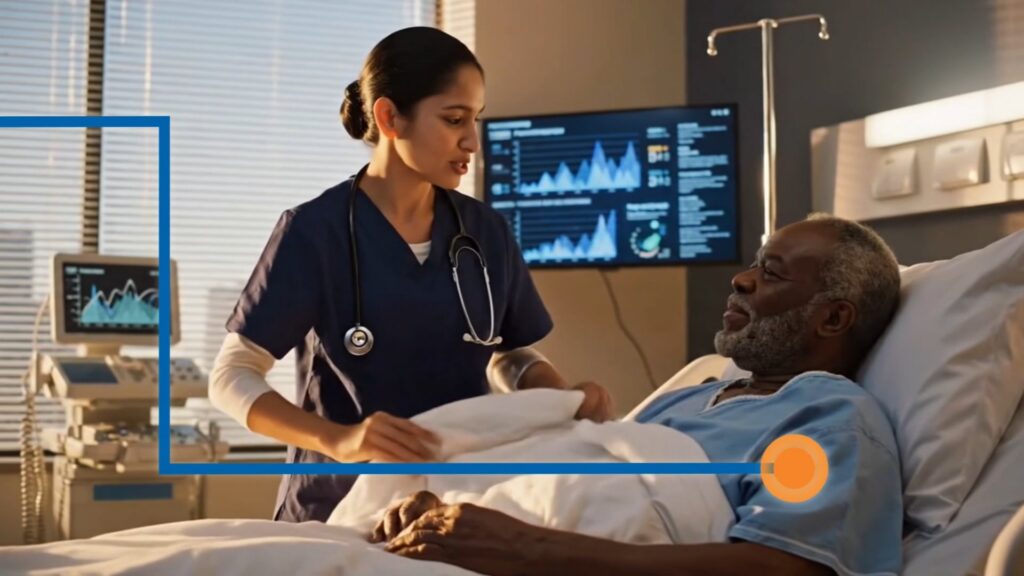
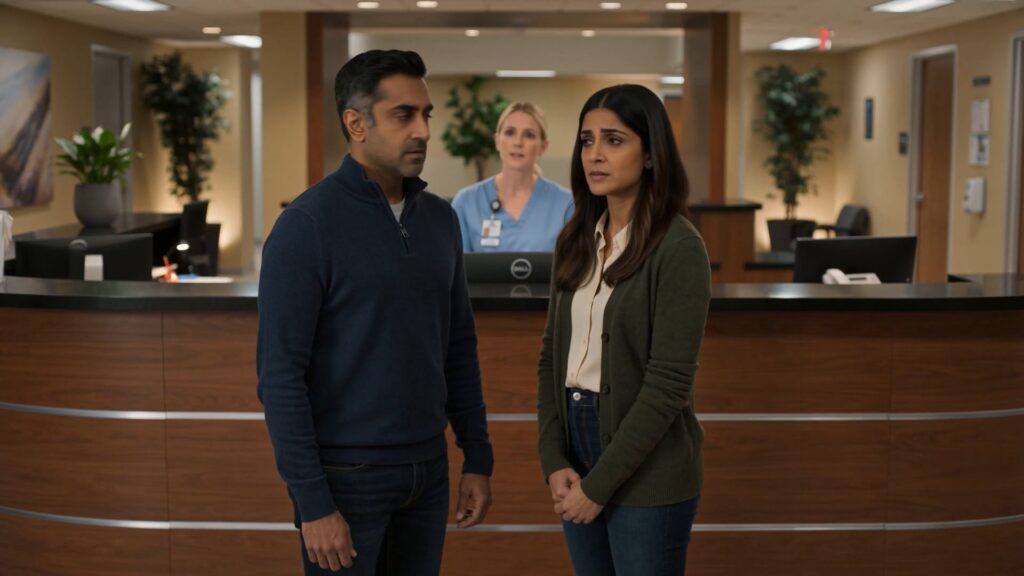
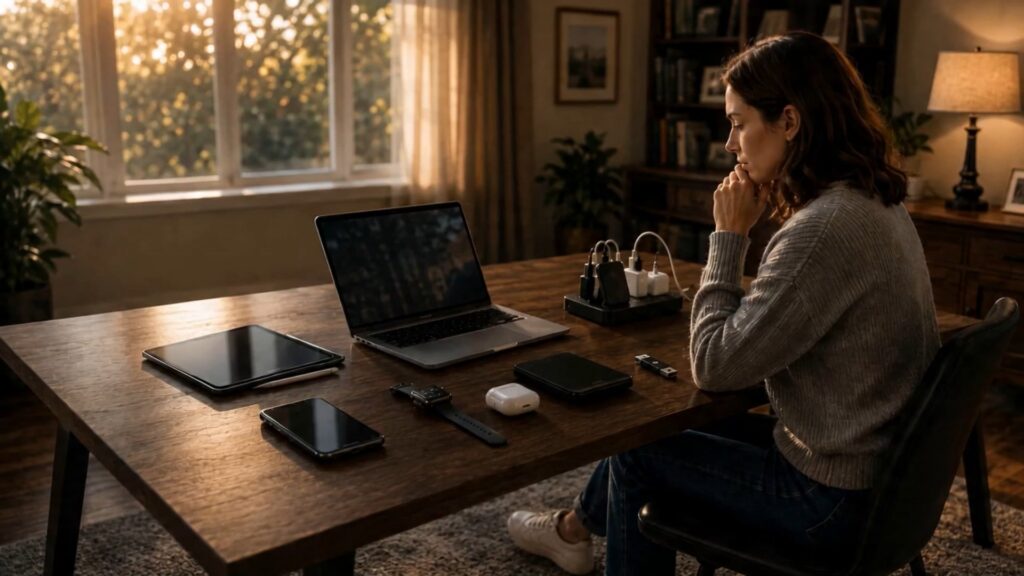
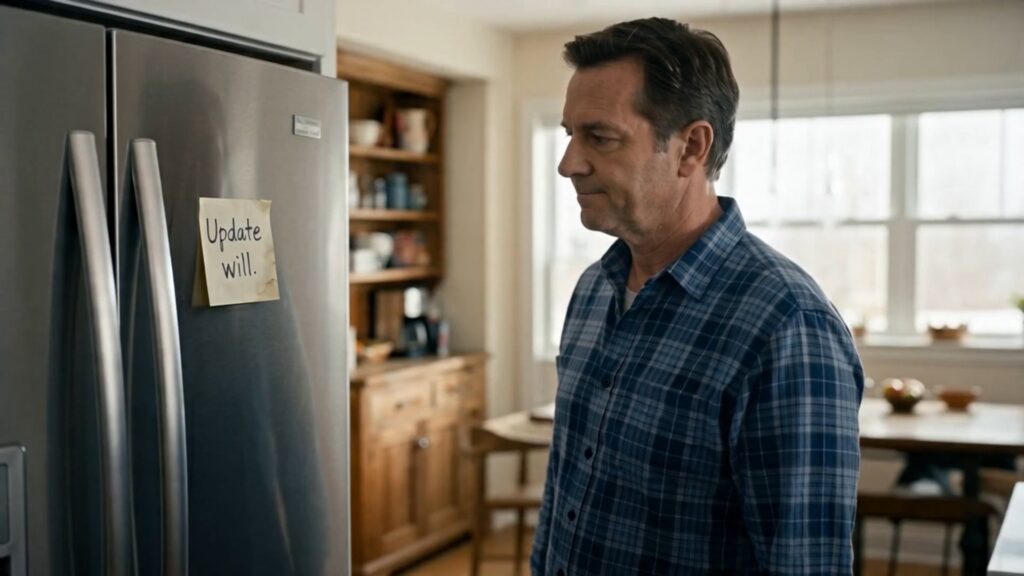
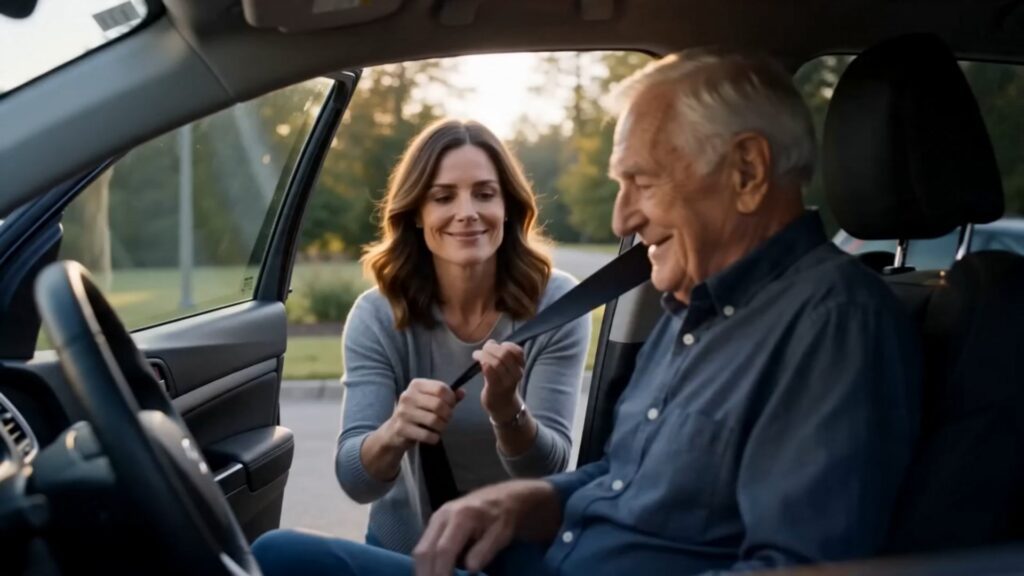
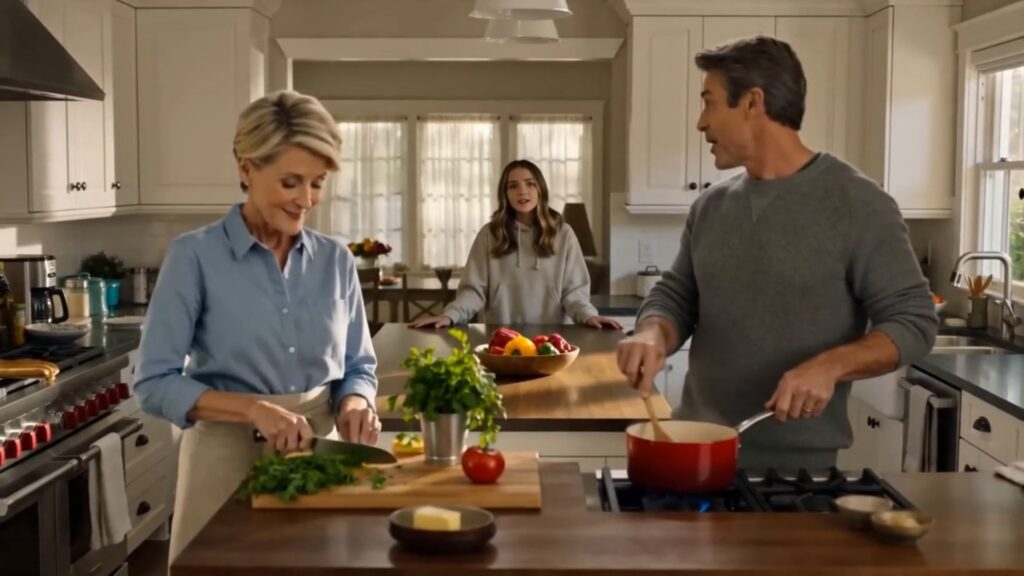
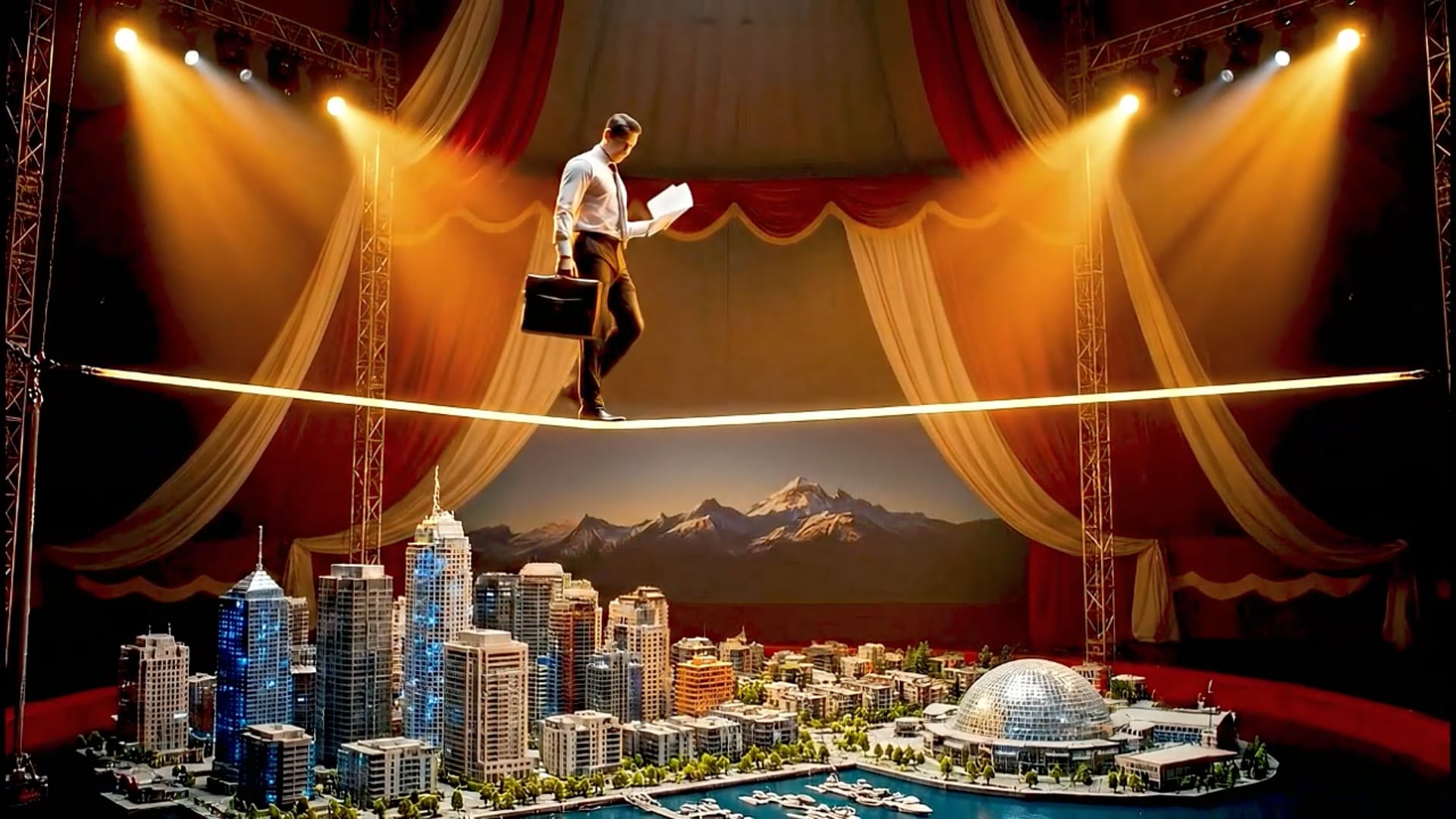
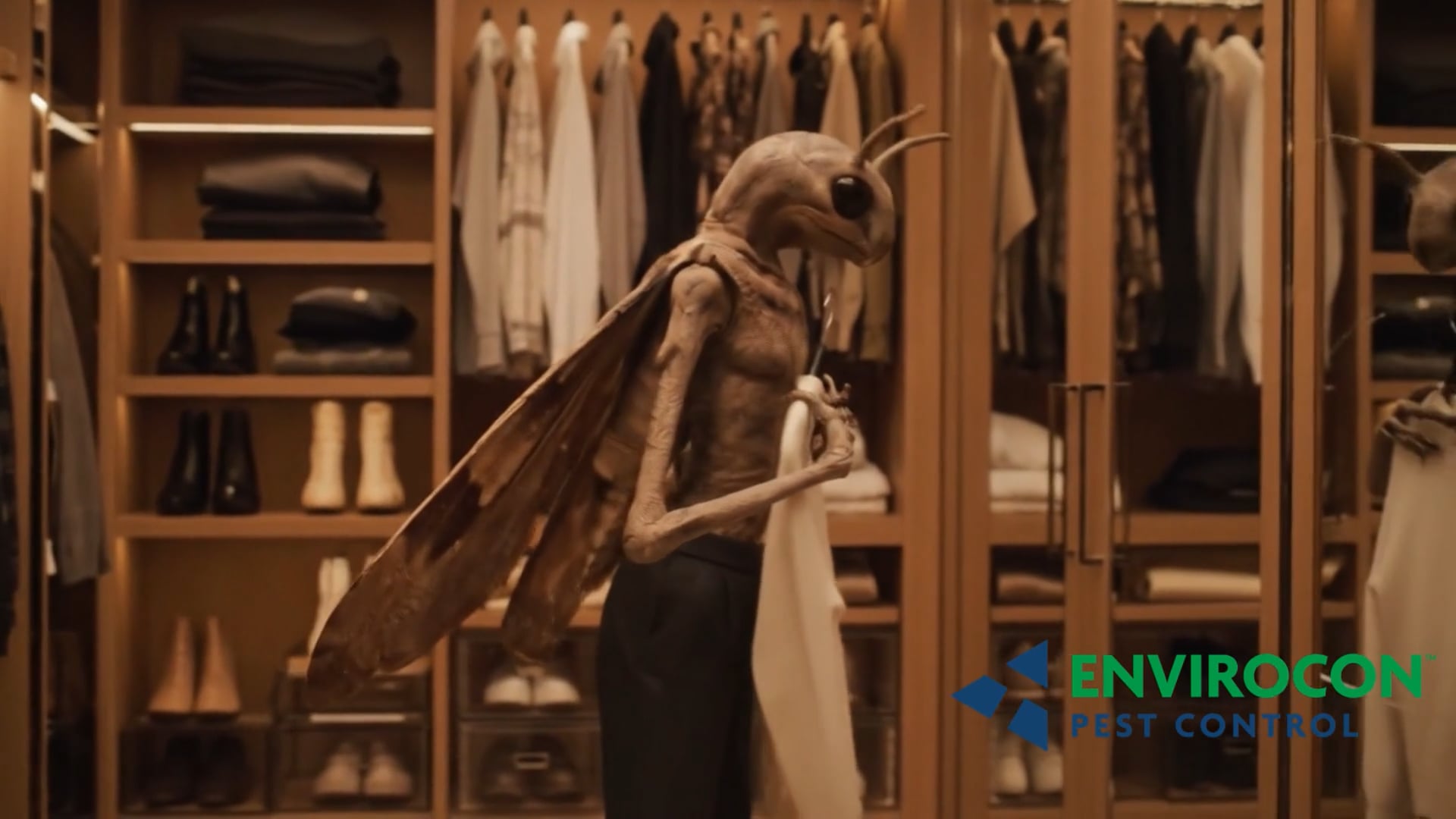
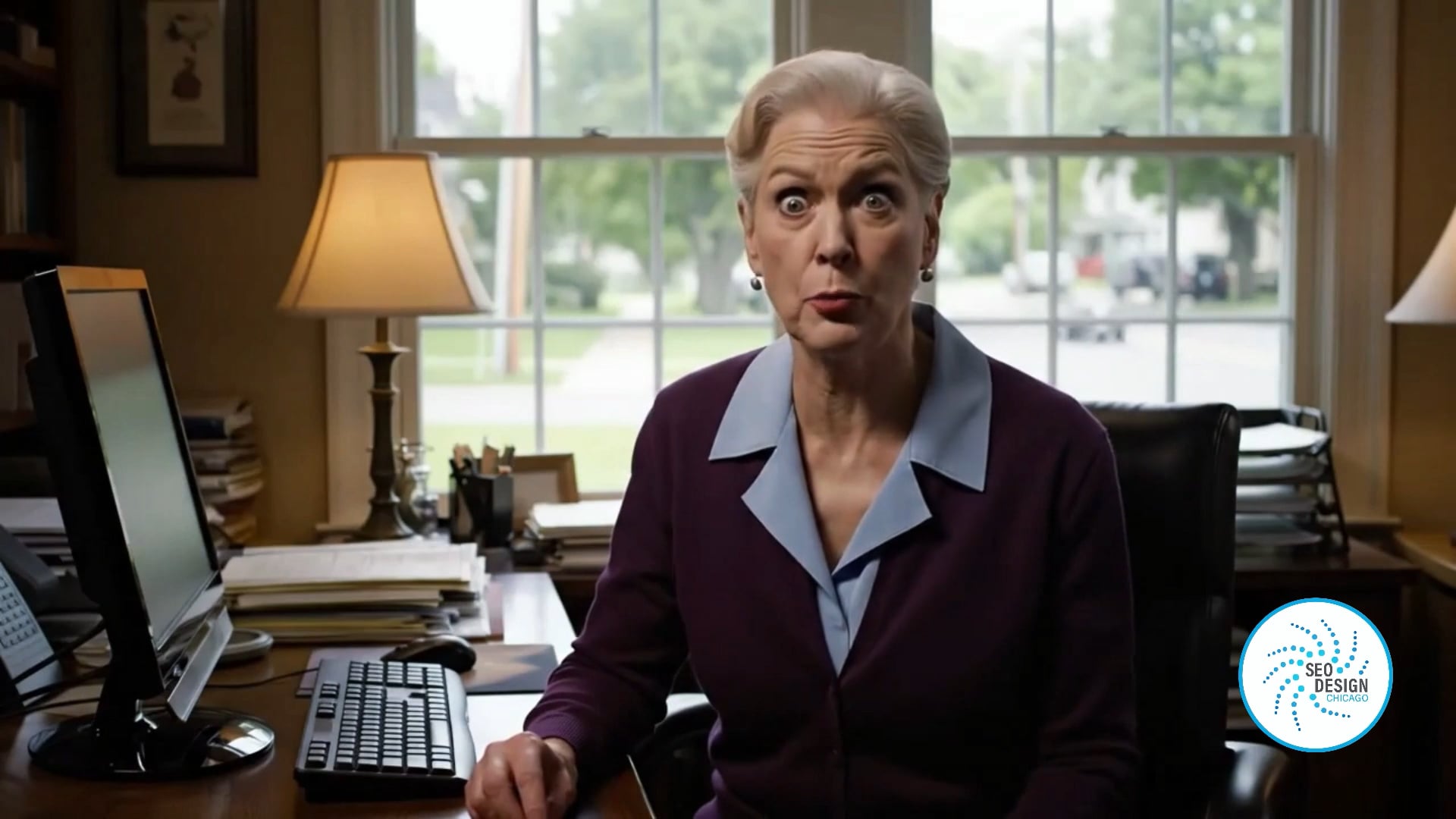
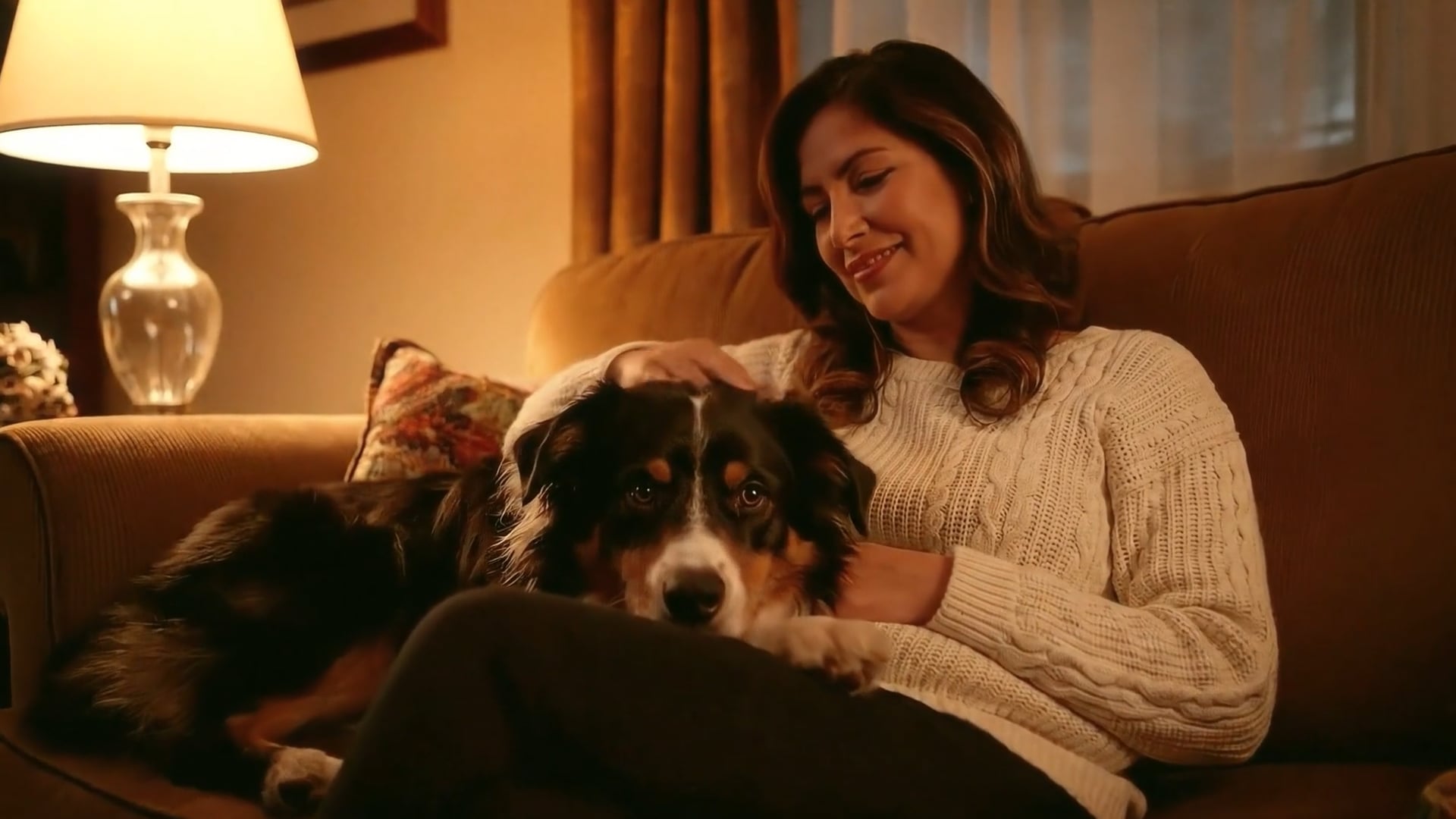
And here’s just a small collection of some of our AI video production work for clients:
















2. Synima
Best for: Enterprise brands wanting a traditional full-service agency that’s actively integrating AI across planning and post.
Synima is a global creative video agency with an end-to-end offering — ideation, scripts, live-action, motion graphics, 3D, and post — now with AI embedded in the workflow for efficiency. They’ve done notable healthcare and corporate work for large institutions. As a more traditional shop, expect the strengths (polish, scale) and the trade-offs (longer timelines, higher cost) that come with that model.
3. Lemonlight
Best for: Brands that want high-end traditional production with AI used mainly to speed up the workflow.
Lemonlight pairs live-action production chops with AI-driven efficiencies for scripting, voiceover, and asset selection. Strong for polished campaigns, but since most of the actual production is traditional, plan for longer lead times and less predictable costs than a native-AI approach.
4. Specialist and native-AI shops
Best for: Narrow, specialized needs — native-AI film aesthetics, tightly style-controlled generative sequences, or high-velocity social creative.
A wave of smaller, AI-native studios has emerged, several run by working filmmakers. Barcelona’s Delirio AI (Josep Gutierrez) bills itself as one of the first native-AI production companies; others like 351 Studio focus on reference-driven generative visuals, and Genre.ai on conversion-oriented social video. Worth knowing if your need is specific — ask each for recent case studies and clear scope.
At a Glance: Companies vs. Platforms
The single most useful table in this article. Note the middle column.
| Name | Type | Best for | Pricing |
|---|---|---|---|
| Gisteo | Company | Finished, on-brand explainers, commercials, and campaigns with human scripting | Avatar from $1,000/30s; Cinematic from $3,500/60s |
| Synima | Company | Enterprise, broadcast-quality narrative work | On request |
| Lemonlight | Company | High-end campaigns, traditional production with AI speed | On request |
| Delirio AI / 351 / Genre.ai | Company (specialist) | Native-AI aesthetics, style-controlled sequences, social velocity | On request |
| Seedance 2.0 | Platform | Cinematic multi-shot generation with character consistency + native audio | Subscription/credits |
| Veo 3 | Platform | Photoreal single hero shots | Subscription |
| Sora | Platform | Stylized, surreal, concept and mood work | Subscription |
| Runway | Platform | Generative editing with in-house editors | From ~$12/mo |
| Synthesia | Platform | Multilingual avatar training content at scale | From ~$29/mo |
| HeyGen | Platform | Fast avatars, dubbing, translation | Free tier + paid |
| Colossyan | Platform | Scenario-based educational avatar video | From ~$19/mo |
Read the “Type” column before anything else. A platform is a subscription you operate. A company is a partner you brief.
A Word on the “Platform” Companies You’ll See on Other Lists
If you’ve read competing roundups, you’ve seen QuickFrame, Waymark, Colossyan, Elai.io, Hour One, Animoto, and Synthesia listed as “companies.” To be precise: these are mostly platforms and tools, not full-service production partners. Several are excellent at what they do. But listing them as “agencies you can hire” muddies the exact distinction that matters most when you’re buying. You’d be operating these yourself. Know which kind of solution you’re actually shopping for before you commit.
How to Choose the Right AI Video Partner
- Define the outcome first. Training library? Product explainer? Brand campaign? The deliverable dictates whether you need a platform or a company.
- Pick your path honestly. DIY platform if you have the time, skills, and in-house creative direction. Company if you want strategy, revisions, and packaged files with someone accountable.
- Ask for a one-page outline before production. Any real partner will scope your project on paper first. If they can’t, that’s a flag.
- Confirm pricing and inclusions. Captions? Social crops? Languages? Revision rounds? Get it in writing — this is where “affordable” quotes quietly balloon.
- Check turnaround and revisions up front. Ask for realistic timelines and how many revision rounds are included.
- Verify rights for music, voices, models, and visuals before you publish. Licensing is the step DIY users forget until it’s a problem.
- Ask which models they use and why. This is the best single question. A partner who can explain why they’d use Seedance 2.0 for a multi-shot character sequence, Veo 3 for a photoreal hero shot, and Synthesia for the multilingual training version — and how it all gets finished in post — is doing the actual job. A vague answer means they’re winging it.
AI Video Production Companies: Frequently Asked Questions
What’s the difference between an AI video platform and an AI video production company?
A platform generates media from prompts — AI avatars, clips, edits — and hands you raw output to finish yourself. A company handles the whole thing: strategy, script, brand control, prompting, revisions, rights, QA, and final delivery. Hire a company when you need a finished, on-brand video on a deadline; use a platform for simple DIY or high-volume templated content.
What AI video tools do the best production companies actually use?
A serious shop runs a full stack and picks per project. For cinematic work, Seedance 2.0 leads right now — it generates multi-shot sequences with consistent characters and native synced audio from up to a dozen reference inputs. Veo 3 handles photoreal hero shots, Sora covers stylized and surreal, Midjourney builds style frames and character plates, and Kling handles high-motion scenes. For avatars, it’s Synthesia, HeyGen, and Colossyan. Everything gets finished in Adobe Premiere and After Effects — that last step is where the polish comes from.
Are AI-generated videos good enough for real business marketing?
Yes — when there’s strong human oversight. AI accelerates production, but business video still needs accurate messaging, clear structure, brand voice, and a focused call to action. The failures you’ve seen (“AI slop”) are almost always the result of no creative direction, not the tools themselves.
Which company is best for fast, budget-friendly business videos?
For a clear scope, quick turnaround, transparent pricing, and included revisions, we’d put Gisteo first — but I would say that. The honest version: if you want a finished video without a DIY learning curve, hire a company; if you just need rough internal clips, a platform may be enough.
Can I mix an agency with platforms?
Absolutely, and many smart teams do. License a platform like Synthesia or HeyGen for internal drafts and quick updates, and bring in an agency for scripts, brand polish, and campaign-ready deliverables. Best of both.
How fast is delivery?
It varies by partner and scope. At Gisteo, avatar projects often ship in days and cinematic work in roughly one to two weeks. Always ask a provider for firm timelines and revision counts before you start.
Final Thoughts
The right choice comes down to your goal, your timeline, and whether you have the in-house muscle to drive the tools yourself. If you do, the platforms in this guide are extraordinary and getting better every month — Seedance 2.0 alone has moved the ceiling significantly in the past few months.
If you don’t — if you want to hand over a brief and get back a finished, on-brand video that actually performs — that’s what an AI video production company is for.
We’d love to be on your shortlist. For formats, pricing, and real examples of our AI work, see Gisteo AI Video Production Services, or book an AI video discovery call.