
Introduction
At Gisteo, we’ve produced thousands of videos, and one pattern shows up every time: brands don’t win because they “used animation.” They win because they used animation and motion graphics with purpose—clear messaging, strong storytelling, and visuals that make ideas easy to understand and hard to forget.
Animation and motion graphics aren’t fancy add-ons. They’re tools that turn complexity into clarity and boring brands into memorable ones. In a world where attention spans are short, smart motion design helps you earn the next five seconds—and make them count.
This post breaks down the fundamentals of animation and motion graphics, from core definitions and techniques to tools, trends, and storytelling principles that actually support brand growth.
Understanding Animation and Motion Graphics
Animation and motion graphics are the lifeblood of modern visual communication. Scroll any feed and you’ll see it everywhere—because movement grabs attention and makes ideas stick.
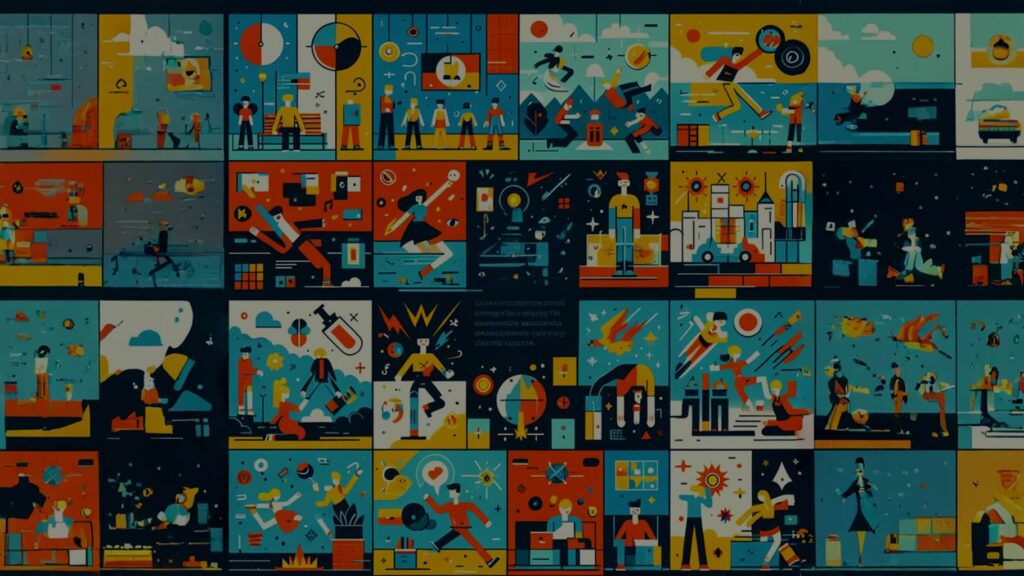
Animation typically brings characters and scenes to life. Motion graphics are graphic design elements in motion—text, icons, shapes, charts, and transitions used to explain or emphasize information. They overlap often, but they solve different problems: animation is great for story and emotion; motion graphics excel at clarity and communication.
For branding, both matter. They help companies convey personality and values without over-explaining. That’s why brands like Nike and Apple use motion design constantly—it communicates identity fast.
Animation Techniques to Enhance Brand Identity
Brand identity isn’t just a logo. It’s the feeling people get when they interact with you. Animation helps shape that feeling by making your message more human, more emotional, and easier to follow.
A quick overview of common techniques
2D Animation
Great for explainer videos and simple storytelling. It’s flexible, efficient, and can match almost any brand style.
3D Animation
Adds depth and realism. Useful for products where detail matters—tech, medical, manufacturing, automotive.
Stop-Motion
Handmade, tactile, and memorable. It can feel charming, quirky, and premium when done well.
Kinetic Typography
Animated text that delivers energy and emphasis. Perfect when the words themselves carry the punch—social clips, ads, product teasers.
2D vs. 3D for branding
Choose based on what best supports the brand—not what looks coolest.
-
2D often feels approachable, clear, and fast.
-
3D often feels premium, immersive, and product-forward.
Character animation and emotional connection
If you want viewers to feel something, character animation is a strong lever. Relatable characters help audiences see themselves in the story. That emotional connection is what moves people from “I get it” to “I want it.”
Tools and Software for Creating Stunning Animations
Creating strong animation is like cooking: the tools don’t make the meal, but the right ones make it easier to deliver something great.
Common software choices
Adobe After Effects
The standard for motion graphics, compositing, and kinetic typography.
Blender
A powerful free option for 3D animation, modeling, and rendering.
Cinema 4D
A favorite for high-end 3D motion work, especially when paired with After Effects.
Toon Boom Harmony / Storyboard Pro
Great for 2D character animation and planning.
Learning resources
If you’re learning, YouTube can get you started, but structured courses on platforms like Udemy or Skillshare can help you progress faster—especially for After Effects and 3D fundamentals.
Current Trends in Motion Graphics Design
Trends change, but a few shifts are worth paying attention to because they directly affect engagement.
Interactive video and clickable experiences
Interactive elements can boost engagement when they’re used strategically—think clickable CTAs, choice-based flows, or explainer videos that guide users to the next step.
The caution: interactivity isn’t automatically better. If it distracts from the story or your audience isn’t likely to use it, it can backfire.
Kinetic typography (still winning)
Kinetic typography is popular for a reason: it delivers messages fast and keeps attention. It works especially well in social content where the viewer is half-watching and moving quickly.
3D growth (with a warning)
3D is more accessible than ever. The risk is overdoing realism and turning the video into a tech demo. Style should serve clarity, not compete with it.
Time-lapse style storytelling
Time-lapse and transformation-style sequences are being used more to show processes quickly—great for “before/after,” systems, timelines, and change-over-time stories.
The Art of Visual Storytelling Through Animation
Animation works best when it follows storytelling fundamentals.
A strong animated video typically includes:
-
A clear narrative structure (setup, problem, shift, outcome)
-
Consistency in visual language (colors, typography, design rules)
-
Emotion or tension (even in business content—curiosity counts)
-
Purposeful motion (movement that explains, not just decorates)
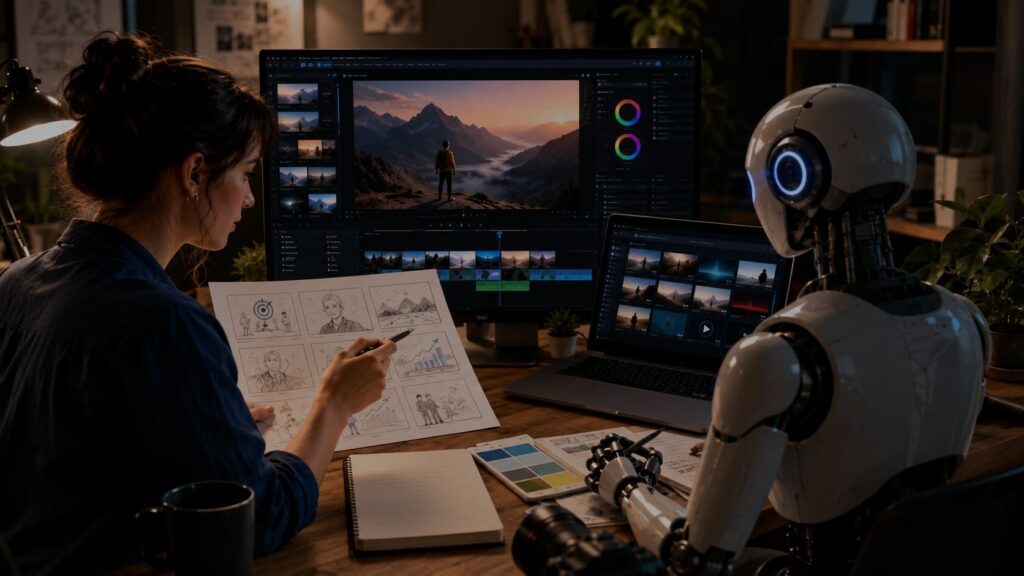
Storyboarding matters because it’s where the story becomes visible before you spend time animating. It keeps teams aligned and prevents expensive “fix it in post” chaos.
Visual effects can help too—but only when they support the message. The point isn’t to impress people with effects. It’s to make the story land.
Career Opportunities in Animation and Motion Graphics
The industry keeps growing, and the roles are broad:
-
Motion graphics artists
-
2D/3D animators
-
Storyboard artists
-
Visual effects artists
-
Character designers
- AI video animators and producers
Skills that matter most
-
Comfort with core software (After Effects, Blender, etc.)
-
Strong fundamentals (timing, spacing, composition)
-
Storytelling instincts
-
Collaboration and communication
-
Taste (knowing what to simplify and what to emphasize)
Portfolio tips
Show range, but curate hard. A smaller set of excellent work beats a large set of average work. Personal projects help too—they often show your best creative thinking.
Conclusion
Here’s the bottom line: animation and motion graphics aren’t the strategy—they’re the amplifier.
When messaging is clear and storytelling is strong, animation becomes a powerful growth tool. It helps audiences understand faster, feel more, and remember longer.
If you use animation and motion graphics just to look modern, you’ll get modern-looking videos that don’t perform. But when you use them to tell a focused, human story, every frame works harder—and your brand stands out for the right reasons.
If you’d like to discuss an animation or motion graphics project, don’t hesitate to schedule a free consultation today!