
Introduction
Explainer video marketing campaign is most useful when it is connected to a specific business job. For marketers who want more value from a single production, that job is to extend one core story across channels and funnel stages. Gisteo helps businesses plan explainer videos as campaign engines, not isolated files that sit on a homepage and gather dust.
Gisteo’s approach is rooted in clarity: find the core idea, shape it into a concise story, and produce a video that can support real marketing, sales, onboarding, or internal communication goals. Relevant starting points include explainer video production, animated video work, and the Gisteo portfolio.
One Video Is the Starting Point
Most video projects begin with a surface-level request: make it shorter, make it more engaging, make it look modern. Those are reasonable goals, but they are not enough. The stronger question is what the viewer needs to understand, believe, or do after watching.
That question changes the whole structure. A video for a skeptical buyer needs proof. A video for a new customer needs orientation. A video for a buying committee needs a shareable summary. A video for employees needs context and a next step.
Break the Story Into Campaign Assets
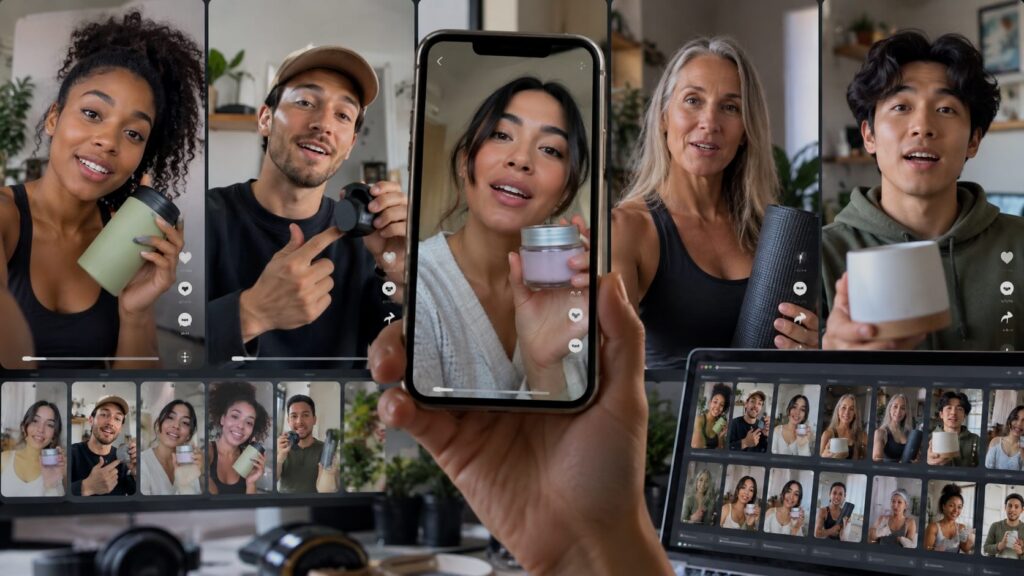
The best format depends on the job. Some situations call for a concise animated explainer. Others need a product walkthrough, a testimonial, a short social cutdown, a training module, or a simple motion graphic that makes one idea easier to absorb.
- Use a core explainer when the audience needs the big picture.
- Use short clips when the same idea needs to travel across email, social, or sales follow-up.
- Use proof-driven assets when trust is the main obstacle.
- Use educational videos when adoption, onboarding, or support volume is the concern.
Channel-by-Channel Repurposing
A strong video message usually has a simple spine: name the situation, clarify the problem, show the better path, explain why your solution makes sense, and end with a next step. The wording, pace, and visuals should all serve that spine.
This is where Gisteo’s scripting process matters. A polished video can still fail if it is built on a fuzzy message. Gisteo helps turn raw notes, product details, and stakeholder input into a story viewers can follow.
How Gisteo Builds More Value Into the Project
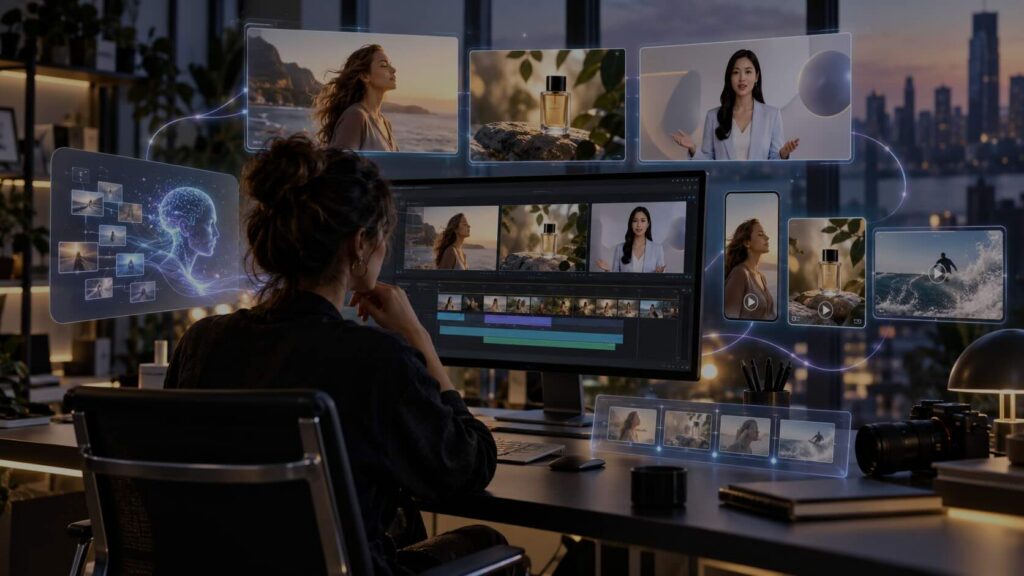
A Gisteo project can include strategy, scripting, storyboarding, animation, motion graphics, editing, voiceover direction, and versions for different channels. That makes it easier to create a video that feels useful beyond the first upload.
Depending on the goal, the same project can support social media video assets, sales follow-up, landing pages, onboarding, or internal presentations. Teams that want budget clarity can also review explainer video pricing before starting a conversation.
How to Keep the Campaign Coherent
Measurement should match the video’s job. A landing page video might be judged by conversion rate, scroll depth, or demo requests. A sales video might be judged by reply rates, meeting quality, or deal velocity. An onboarding video might be judged by support tickets, activation, or feature adoption.
| Goal | Useful signals |
| Awareness | Reach, watch time, qualified visits |
| Conversion | CTA clicks, form fills, booked calls |
| Sales support | Email engagement, stakeholder shares, deal progress |
| Education | Completion, fewer repeated questions, faster adoption |
Campaign Cohesion
A full campaign needs repetition without monotony. The same core idea should show up across channels, but each asset should feel native to where it appears.
Gisteo can create a visual and verbal system that keeps the campaign recognizable while still giving each cutdown a specific job.
Production Questions for explainer video marketing campaign
Before producing a video around explainer video marketing campaign, the team should make a few decisions that are easy to skip but expensive to fix later. The clearer these answers are upfront, the easier it is for Gisteo or any creative partner to make the video feel specific instead of interchangeable.
- Who exactly is the viewer, and what do they already know?
- What single idea should the viewer remember after the video ends?
- Where will the video appear first: website, email, paid media, sales follow-up, onboarding, or internal rollout?
- What proof points, examples, screenshots, customer language, or brand details need to be included?
- What next step should feel natural after watching?
These questions also protect Yoast and search performance indirectly. A focused article and a focused video are both easier to optimize because the keyword, headline, structure, and user intent point in the same direction.
Distribution Ideas for marketers who want more value from a single production
Distribution should be planned before final delivery. A homepage viewer, a LinkedIn scroller, a sales prospect, and a new customer do not need the same version of the same idea. When the production plan accounts for those differences, the final video can create more value across the business.
For many Gisteo projects, that means producing one primary video plus a handful of supporting assets: shorter social edits, silent autoplay versions, sales-friendly links, thumbnail options, and cutdowns that can be used in email or paid campaigns. This keeps the message consistent while giving each channel a version that fits.
It also gives the article itself more internal-link value. Readers who arrive through search can move from the topic to examples, process details, pricing context, and contact options without feeling forced into a hard sell too early.
Gisteo Resources to Connect
This article can naturally connect readers to explainer videos, social media videos, Gisteo portfolio, and explainer videos by funnel stage, explainer video pricing, free consultation. Those internal links help readers move from advice to examples, pricing context, and a conversation with Gisteo.
The practical takeaway is that explainer video marketing campaign should not live alone. It should connect to the buyer journey, the website, the sales process, and the larger body of video work that helps the brand explain itself consistently.
Frequently Asked Questions About Explainer Video Marketing Campaigns
How much does it cost to create an explainer video marketing campaign?
The investment depends on whether you’re creating a single video or planning for multi-channel deployment from the start.
Single explainer video:
- Professional animated explainer (60-90 seconds): $3,000-$8,000
- Includes: Strategy, scripting, storyboarding, animation, voiceover, sound design, 2 revision rounds
Full campaign package:
- Primary explainer + 8-12 derivative assets: $5,000-$12,000
- Includes: Master video plus social media cuts (15-30 sec), vertical formats (9:16), square formats (1:1), email versions with captions, paid ad variations, thumbnail options
The ROI equation: A $7,000 campaign investment that generates results across homepage, social media, email, and paid ads typically delivers 3-5x better ROI than a $5,000 single video used only on your homepage.
Gisteo’s approach: We offer transparent explainer video pricing and help clients decide whether to invest in full campaign packages upfront or phase deployment based on performance of the primary video.
What’s the difference between an explainer video and an explainer video marketing campaign?
An explainer video is a single asset—one 60-90 second video that tells your story.
An explainer video marketing campaign is a strategic system:
- One primary explainer video (the master asset)
- 8-12+ derivative versions optimized for different channels
- Coordinated deployment across homepage, social media, email, ads, sales
- Measurement framework tracking performance by channel and goal
- Continuous optimization based on what’s working
Think of it this way: A video is a file. A campaign is a strategy for multiplying that file’s impact.
Real example: A SaaS client created one explainer video for $6,500. Used only on their homepage, it generated 45 trial signups in 3 months ($4,500 in LTV). When they invested an additional $2,000 to create campaign derivatives and deployed across email (20 signups), LinkedIn ads (35 signups), and sales outreach (28 signups), total return jumped to $12,800 in LTV—ROI increased from 69% to 150%.
How many versions should I create for a video marketing campaign?
The optimal number depends on your distribution channels and internal resources, but here’s a practical framework:
Minimum viable campaign (4-6 assets):
- 1x Master explainer (60-90 seconds, 16:9)
- 1x Social media square version (60-90 seconds, 1:1)
- 1x Social teaser clip (15 seconds, 1:1)
- 1x Vertical format for Stories/Reels (60-90 seconds, 9:16)
- 1x Email version with burned-in captions (30-45 seconds)
- 1x Sales enablement version (shareable link optimized)
Robust campaign (10-15 assets): All of the above, plus:
- 3-4x Social clips featuring different sections (problem, solution, proof)
- 2-3x Paid ad variations (6-15 seconds) with different hooks
- 1x Silent autoplay version for homepage/email
- Multiple thumbnail options
- Platform-specific optimizations (LinkedIn vs Instagram vs YouTube)
Enterprise campaign (20+ assets): Everything above, plus:
- Audience-specific edits (different personas, industries, use cases)
- Multiple language versions
- Sales-stage-specific cuts (awareness, consideration, decision)
- A/B testing variations (different CTAs, hooks, proof points)
Gisteo insight: Most clients get best ROI with the robust campaign tier (10-15 assets). It covers all major channels without overwhelming internal teams with too many versions to manage.
Can I create campaign assets from an existing explainer video?
Yes! If you already have a professionally produced explainer video, you can extend it into a campaign by creating derivative assets.
What you’ll need:
- Source files from original production (After Effects project, individual scenes, audio stems)
- Original voiceover recording
- Brand guidelines and any new messaging updates
What’s involved:
- Re-editing existing footage into new lengths and formats
- Creating new aspect ratio versions (square, vertical)
- Adding captions for silent viewing
- Optimizing CTAs for different contexts
- Rendering in multiple formats
Timeline: 1-2 weeks (much faster than creating from scratch)
Cost: $1,500-$3,000 depending on how many versions you need
Important caveat: This only works if your original video was produced professionally with proper source files. DIY videos or videos from agencies that don’t provide source files are much harder to repurpose effectively.
Gisteo approach: All our clients receive complete source files precisely so they can create derivative assets later without starting from scratch. We also offer video repurposing services to create campaign versions from existing Gisteo videos or professionally produced videos from other studios.
How long does it take to create an explainer video marketing campaign?
Primary explainer video: 4-8 weeks from kickoff to final delivery
- Week 1: Strategy and creative brief
- Week 2: Script development and revisions
- Week 3: Storyboard and style frame approval
- Week 4-6: Animation production
- Week 7: Voiceover, sound design, revisions
- Week 8: Final delivery and campaign asset creation
Campaign derivative assets: Additional 1-2 weeks if planned upfront, or can be created after primary video is complete.
Total timeline options:
Sequential approach:
- Weeks 1-8: Create primary explainer
- Launch and measure performance
- Weeks 9-10: Create derivatives based on what’s working
- Total: 10 weeks
Parallel approach:
- Weeks 1-7: Create primary explainer
- Week 8: Create all campaign derivatives simultaneously
- Total: 8 weeks (faster to market)
Gisteo recommendation: For most clients, the parallel approach delivers better ROI—you can launch coordinated campaigns immediately rather than waiting months to extend reach. For budget-conscious clients testing video for the first time, sequential approach allows validation before additional investment.
What metrics should I track for an explainer video marketing campaign?
Different campaign assets serve different goals, so track metrics that match each asset’s job:
Homepage explainer:
- Watch-through rate (target: 60-70%)
- Scroll depth and time on page
- Trial signups or demo requests
- Conversion rate lift vs. no-video baseline
Social media clips:
- View count and reach
- Engagement rate (likes, comments, shares)
- Click-through rate to landing page
- Cost per view (for paid campaigns)
Email video:
- Email open rate (video thumbnails boost opens)
- Play rate (% who clicked to watch)
- Click-through to next step
- Conversion from email campaign
Paid advertising:
- Cost per view (CPV)
- Video completion rate
- Click-through rate (CTR)
- Cost per conversion
- ROAS (return on ad spend)
Sales enablement:
- Email engagement when shared by reps
- Meeting booking rate after video share
- Deal velocity (faster close when video used)
- Win rate correlation
Aggregate campaign metrics:
- Total views across all placements
- Total conversions attributed to video touchpoints
- Cost per acquisition (total campaign cost / total conversions)
- Lifetime value of video-influenced customers
Gisteo insight: We help clients set up proper video analytics using platforms like Wistia, Vidyard, or HubSpot Video to track these metrics across all campaign assets and prove overall video ROI.
Should I create the full campaign upfront or phase it based on performance?
Both approaches work—the right choice depends on your budget, risk tolerance, and timeline:
Create full campaign upfront when:
- You have validated messaging (not your first video)
- You’re launching a time-sensitive campaign (product launch, event, seasonal)
- Budget allows $6,000-$10,000 investment
- You have distribution channels ready (social calendar, email sequences, ad budget allocated)
- You want coordinated multi-channel impact immediately
Phase campaign creation when:
- This is your first explainer video (testing whether video works for your business)
- Budget is constrained ($3,000-$5,000)
- You’re unsure which channels will perform best
- You want to optimize based on performance data before investing in derivatives
- Internal bandwidth limited for managing multiple assets
Hybrid approach (recommended for most):
- Invest in primary explainer + 3-4 essential derivatives upfront (homepage, one social cut, one email version)
- Measure performance for 30-60 days
- Create additional derivatives based on which channels show best results
- Continuously optimize and expand based on data
How do I keep campaign assets coherent without feeling repetitive?
The key is maintaining consistent core messaging while varying the execution for different contexts:
What stays consistent:
- Core value proposition and key benefits
- Brand voice and tone
- Visual style, colors, and design language
- Primary differentiators
- Overall story structure (problem → solution → proof)
What changes by channel:
- Length and pacing (6 seconds for ads vs. 90 seconds for homepage)
- Hook and opening (attention-grabbing for social vs. context-setting for email)
- Call-to-action (awareness vs. conversion focused)
- Aspect ratio and format (vertical, square, landscape)
- Sound design (silent with captions vs. voice-over driven)
The formula: Same story, different emphasis depending on where viewer is in their journey.
Example structure:
- Homepage explainer: Full story (problem + solution + how it works + proof + CTA)
- Social awareness clip: Problem + provocative question (no solution yet—drives curiosity)
- LinkedIn ad: Problem + solution overview + “learn more” CTA
- Email to trial users: How it works + proof + “upgrade to paid” CTA
- Sales follow-up: Customer proof + specific feature relevant to that prospect
Gisteo approach: We create a “campaign bible” for clients—a document showing how core message elements can be mixed and matched for different contexts while maintaining coherence. This allows marketing teams to create new derivatives later without losing brand consistency.
Can I use my explainer video campaign for paid advertising?
Absolutely—in fact, video ads typically outperform static ads, and your explainer video is perfect source material. However, you’ll need platform-specific optimizations:
Facebook/Instagram ads:
- Length: 15-30 seconds (shorter attention spans on social)
- Format: Square (1:1) or vertical (4:5) for mobile feed
- Sound: Silent-first with captions (85% watch without sound)
- Hook: First 3 seconds must grab attention
- CTA: Clear, benefit-focused (“Start free trial,” “See how it works”)
YouTube ads:
- Skippable: First 5 seconds must hook (viewers can skip after that)
- Bumper ads: 6 seconds non-skippable (distill to absolute core message)
- Length: 15-30 seconds for most campaigns, up to 60 seconds if targeting high-intent keywords
LinkedIn ads:
- Length: 30-60 seconds (B2B audiences more patient)
- Format: Square (1:1) or landscape (16:9)
- Messaging: Professional, value-focused (less casual than consumer platforms)
- Targeting: Use your explainer’s problem statement to target right personas
TikTok/Instagram Reels:
- Length: 15-30 seconds
- Format: Vertical (9:16) only
- Style: Native to platform (less “corporate,” more authentic/casual)
- Hook: Immediate—no slow builds
Google Display ads:
- Length: 15-30 seconds
- Format: Multiple sizes (landscape, square)
- Messaging: Clear value prop in first frame (many play without sound)
Cost expectations:
- Video ad production (optimizing from existing explainer): $500-$1,500
- Ad spend budget: Minimum $2,000-$5,000 to gather meaningful performance data
- Typical CPV (cost per view): $0.03-$0.25 depending on platform and targeting
Gisteo insight: We create ad-specific derivatives that follow platform best practices while maintaining your brand story. The ROI often exceeds organic reach by 5-10x when ads are properly optimized.
How often should I update or refresh my explainer video campaign?
The primary explainer video:
- Update when: Product positioning changes significantly, visual style feels dated (usually 2-3 years), or messaging no longer resonates
- Full refresh: Every 18-36 months for most companies
- Minor updates: Can update voiceover, CTAs, or specific sections without full remake
Campaign derivative assets:
- Test new versions: Every 3-6 months (new hooks, CTAs, proof points)
- Refresh for seasonality: Quarterly if you have seasonal messaging
- Update CTAs: Whenever offers change (new pricing, limited-time promotions)
Signs it’s time for refresh:
- Watch-through rates declining over time
- Conversion rates dropping compared to baseline
- Competitors have noticeably more modern video content
- Your product/service has evolved significantly
- Brand visual identity has been updated
Cost-effective refresh options:
- Minor update: New voiceover or CTA ($500-$1,000)
- Significant refresh: New sections or updated visuals ($1,500-$3,000)
- Complete remake: New script, animation, everything ($3,000-$8,000)
Gisteo approach: We design explainer videos with longevity in mind—avoiding trendy styles that date quickly and building flexibility for minor updates without complete remakes. Many clients use the same core explainer for 2-3 years, updating only specific sections or derivative assets as needed.
What’s the best way to distribute an explainer video marketing campaign?
Strategic distribution follows a phased approach aligned with your marketing funnel and buyer journey:
Phase 1: Owned channels (Week 1-2)
- Homepage hero section
- Product/about pages
- Email signature links
- Internal team sharing
- Goal: Establish baseline performance, gather initial data
Phase 2: Earned and shared (Week 3-4)
- Social media posts (LinkedIn, Twitter, Facebook)
- Email to existing customer base
- Sales team enablement
- PR and partnership outreach
- Goal: Maximize organic reach, drive shares
Phase 3: Paid amplification (Week 5+)
- Social media ads (Facebook, Instagram, LinkedIn)
- YouTube ads
- Display network
- Retargeting campaigns
- Goal: Scale reach to cold audiences, optimize for conversions
Phase 4: Continuous optimization (Ongoing)
- A/B test different versions
- Retire underperforming assets
- Create new derivatives for high-performing channels
- Expand to new platforms based on data
- Goal: Maximize ROI through data-driven refinement
Channel-specific best practices:
Website:
- Homepage: Autoplay muted with prominent unmute button
- Product pages: User-initiated play (not autoplay)
- About page: Company story version if distinct from product explainer
Email:
- Use animated GIF thumbnail linking to landing page (actual video in email often gets spam-filtered)
- 30-45 second versions work best (shorter than homepage)
- Always include captions for silent viewing
Social media:
- Native uploads perform better than YouTube links
- Square format for feed, vertical for Stories
- Post at optimal times for each platform
- Include captions in first 3 seconds to hook scrollers
Sales outreach:
- Personal Vidyard/Loom links allowing tracking
- Shorter versions (30-60 seconds)
- Personalized introduction before video link
- Clear CTA for next step after watching
Gisteo insight: We provide clients with a distribution playbook showing exactly where to deploy each asset, how to optimize for each platform, and what metrics to track for campaign success.
Do I need different versions for different buyer personas or industries?
It depends on how different your personas’ pain points and priorities are:
Create persona-specific versions when:
- Different personas have distinctly different problems
- Your product serves multiple industries with different use cases
- Value propositions vary significantly by audience
- You have budget for 3-5 different master videos
Example: A project management tool might create:
- Marketing team version (emphasizing campaign coordination, deadline tracking)
- Software development version (emphasizing sprint planning, bug tracking)
- Agency version (emphasizing client collaboration, billing tracking)
Stick with one master version when:
- Core problem and solution resonate across all personas
- Budget limited ($3,000-$8,000 range)
- You’re early stage and still validating messaging
- Differences are minor (can be addressed through different CTAs or surrounding page content)
The hybrid approach:
- Create one master explainer with universal appeal
- Create shorter persona-specific clips (15-30 seconds) highlighting relevant features
- Use targeting and placement to serve right version to right audience
Cost implications:
- Multiple full explainers: $3,000-$8,000 each
- One master + persona-specific derivatives: $6,000-$12,000 total
- Personalized sections only: $500-$1,500 per variation
Gisteo recommendation: Most companies should start with one strong master explainer that addresses the universal problem, then create persona-specific campaign derivatives (shorter clips emphasizing different features or use cases) rather than completely separate videos. This maintains message consistency while still feeling targeted.
How do I measure ROI on an explainer video marketing campaign?
Calculate ROI by comparing total campaign costs against revenue or value generated:
Basic ROI formula:
ROI = (Revenue from video-influenced conversions - Campaign costs) / Campaign costs × 100What to include in campaign costs:
- Video production ($3,000-$10,000)
- Paid media spend (if applicable)
- Internal time (project management, reviews, feedback)
- Analytics tools (Wistia, Vidyard if purchased specifically for video)
What to count as video-influenced revenue:
Direct attribution (easy to measure):
- Conversions where video was the last touchpoint
- Trial signups directly from video CTA
- Demo requests from video landing page
Influenced attribution (requires multi-touch tracking):
- Conversions where video was viewed anywhere in journey
- Deals where video was shared by sales rep
- Customers who watched video before purchasing
Example calculation:
Campaign investment:
- Primary explainer + derivatives: $8,000
- Paid ad spend (3 months): $6,000
- Internal time: $2,000
- Total: $16,000
Results (6 months):
- Homepage conversions (direct): 85 trials × $3,000 LTV = $255,000
- Email campaign conversions: 42 trials × $3,000 = $126,000
- Paid ad conversions: 67 trials × $3,000 = $201,000
- Sales-assisted (influenced): 23 deals × $3,000 = $69,000
- Total revenue: $651,000
ROI calculation:
ROI = ($651,000 - $16,000) / $16,000 × 100 = 3,969%More conservative calculation (direct attribution only):
Direct conversions: 85 + 42 + 67 = 194 trials = $582,000
ROI = ($582,000 - $16,000) / $16,000 × 100 = 3,538%
Even with conservative attribution, the campaign delivers 35x return on investment.
Tracking setup requirements:
- UTM parameters on all video links
- Conversion tracking pixels
- Multi-touch attribution platform (HubSpot, Marketo, Salesforce)
- Video analytics (Wistia, Vidyard, or native platform analytics)
Gisteo insight: We help clients establish proper tracking before campaign launch so ROI can be measured accurately. Most clients see 8-25x ROI in the first year when campaigns are properly executed and measured.
Conclusion
Explainer video marketing campaign should not feel like a generic content assignment. It should solve a specific communication problem with a format, structure, and call to action that fit the audience.
Gisteo can help you choose the right approach, shape the message, and produce a video that works across the places your audience actually sees it. To explore options, visit the Gisteo portfolio or book a free consultation.