
Introduction: Defining Your Project Goals and Objectives
You wouldn’t set sail on a road trip without a destination, right? The same logic applies when choosing production companies animation for your next project. Without clear goals and objectives, you might as well be driving in circles. A staggering 70% of projects fail due to unclear goals—don’t let yours be another statistic.
Identify Your Vision
First things first: what’s your grand vision? Are you aiming for an animated commercial that’ll make viewers laugh, or perhaps a heartwarming animated short film that tugs at the heartstrings? Jot down your ideas. Visualize the end product. This is where innovation meets storytelling in animations. If you can’t see it in your mind, how can an animation studio bring it to life?
Set Specific Objectives
Next up, let’s get specific. Vague goals are like trying to hit a bullseye blindfolded—good luck with that! Instead of saying, I want an animated video, say something like, I need a 60-second animated explainer video that showcases our new app features. This clarity not only helps you but also guides the animation production services you choose.
- Define the target audience: Who will watch this?
- Determine the desired length: Is it a quick ad or a detailed explainer?
- Outline key messages: What do you want viewers to remember?
Consider Your Budget and Timeline
Time is money isn’t just a catchy phrase; it’s reality in the animation industry too. If you’re working with independent animation studios or top animation firms, understanding your budget and timeline is crucial. A high-quality animated production can vary dramatically in cost based on complexity and style—think CGI versus classic 2D animation companies.
Budget constraints can limit creativity but don’t let them stifle your vision.
Also, be realistic about timelines. Animation isn’t magic; it takes time! If you need something for next week, consider simpler styles like motion graphics or even stop motion production companies to meet deadlines without sacrificing quality.
Communicate Clearly with Your Chosen Animation Studio
When you’ve solidified your goals and objectives, communicate them clearly to potential animation content creators. The best studios thrive on collaboration; they want to understand your vision as deeply as you do. Share mood boards, references from animated movie companies you admire, or even sketches if you’ve got them!
In summary, defining clear project goals and objectives isn’t just helpful; it’s essential for navigating the world of animation production companies. So grab that notepad and start outlining what success looks like for your animated masterpiece!
Next up? Research potential studios that align with those defined goals and get ready to bring your vision to life!
Evaluating Portfolio Diversity and Quality
Imagine scrolling through the portfolios of various production companies animation and feeling like you’re stuck in a loop of the same old styles. It’s like being served the same dish at every restaurant you visit—eventually, you just want something fresh. A whopping 60% of clients report dissatisfaction with their chosen animation studio primarily due to a lack of portfolio diversity. So, how do you avoid becoming another statistic?
Why Portfolio Diversity Matters
The animation industry is rich with styles—from whimsical 2D animations that charm children to sleek CGI that captivates adults. A diverse portfolio showcases an animation studio’s ability to adapt and innovate, which is crucial for your project’s success. A studio that can switch from creating animated TV series production to crafting high-quality animated productions for corporate clients demonstrates versatility and creativity.
Think about it: if a studio specializes only in one type of animation, say stop motion production companies focusing solely on claymation, they might not be the best fit for your cutting-edge virtual reality animations creators project. You want a partner who can bring fresh ideas and techniques to the table, not just repeat what they’ve always done.
Assessing Quality: What to Look For
Quality in animation isn’t merely about flashy visuals; it’s about storytelling, character design, and emotional engagement. When evaluating portfolios, pay attention to:
- Consistency in style across different projects.
- The ability to convey emotions through character design.
- Innovative storytelling techniques that keep viewers engaged.
- Attention to detail in visual effects and post-production for animations.
A strong narrative can elevate even the simplest animations into unforgettable experiences.
‘Look for projects that have won awards or recognition—these are often indicators of quality and creativity. If an independent animation studio has produced award-winning animated films or collaborated with industry leaders on successful campaigns, it’s a good sign they know their stuff.
Real-World Examples
In summary, when evaluating potential studios, don’t just settle for flashy reels—dig deeper into their portfolios. Look for diversity and quality that align with your vision. Your project deserves more than cookie-cutter solutions; it deserves innovation and creativity.
Understanding Production Processes and Methodologies
Ever tried assembling IKEA furniture without the instructions? It’s a recipe for chaos, right? The same goes for animation production. A staggering 80% of projects derail due to poor understanding of production processes and methodologies. If you want your animated project to come to life without a hitch, grasping the ins and outs of how animation studios operate is non-negotiable.
The Animation Production Pipeline
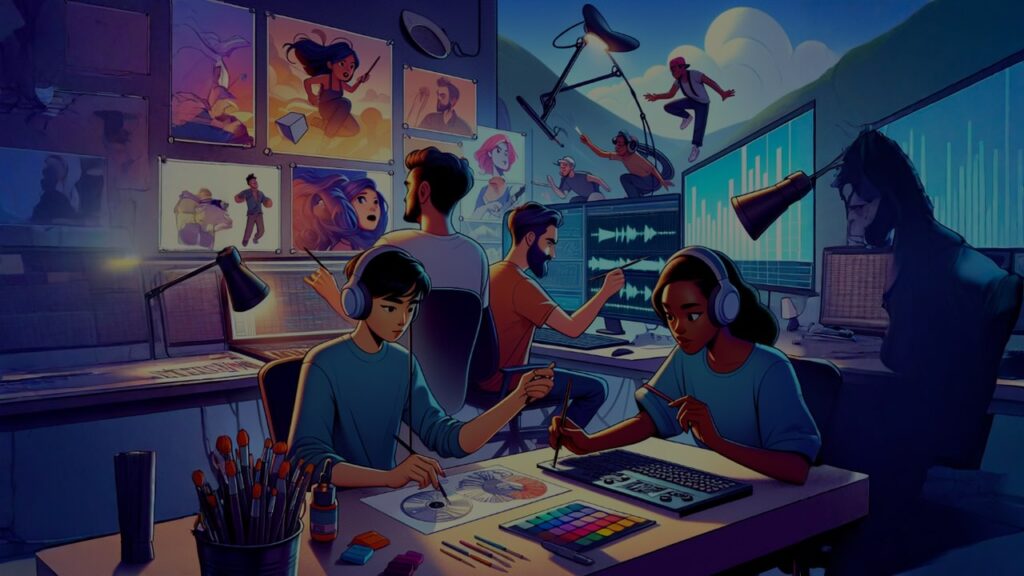
Animation isn’t just about drawing pretty pictures; it’s a meticulous process that involves several stages. Think of it as a relay race where each team member has a crucial role to play, from concept artists to animators and sound designers. Here’s a quick rundown of the typical animation production pipeline:
- Pre-production: Concept development, storyboarding, scriptwriting.
- Production: Animation creation, voice recording, and sound design.
- Post-production: Editing, visual effects integration, and final touches.
Each stage requires collaboration and clear communication between teams to ensure a cohesive final product.
Methodologies That Matter
Agile isn’t just a buzzword in tech; it’s also making waves in animation production. This methodology emphasizes flexibility and iterative progress. Instead of waiting until the end of the project to see results, teams can produce short segments or scenes regularly for feedback. This means you can tweak your animated commercial or series on-the-fly based on client input—no more waiting until the end only to realize something doesn’t work!
Traditional methods are still prevalent too—think linear workflows where each stage is completed before moving onto the next. While this can work well for straightforward projects like educational animations developers creating simple explainer videos, it often lacks the adaptability needed for more complex endeavors like interactive media and animations.
Red Flags in Production Practices
If it ain’t broke, don’t fix it might work for your grandma’s recipe but not in animation! Beware of studios stuck in outdated practices. A lack of innovation can lead to stale content that fails to engage viewers—something you definitely want to avoid if you’re aiming for high-quality animated productions.
Animation is an art form that thrives on creativity; don’t let outdated practices stifle your vision!
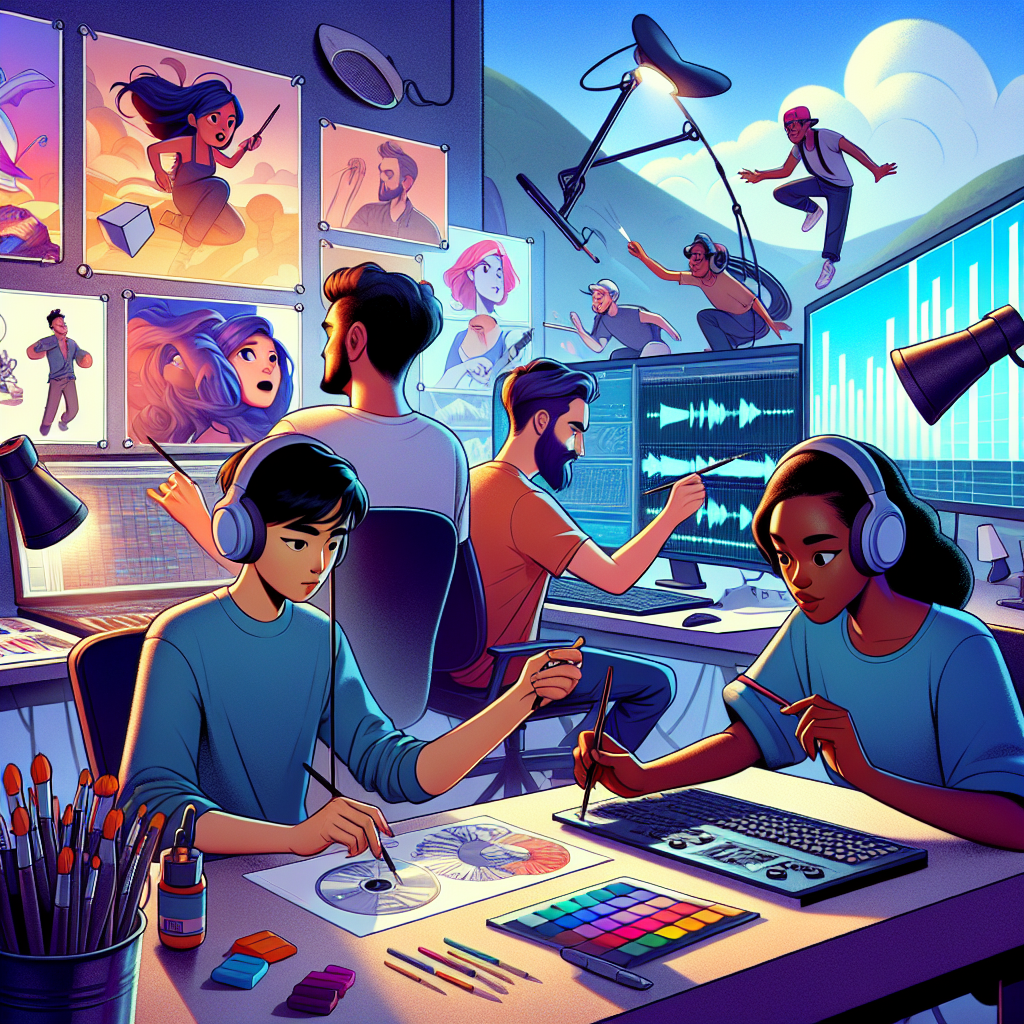
Understanding these processes not only helps you choose the right production companies animation but also empowers you as a client. You’ll be able to communicate effectively with your chosen team and set realistic expectations.
Next time you’re chatting with potential studios, ask them about their methodologies! Get ready to find one that aligns perfectly with your vision.
Investigating Team Expertise and Collaboration Style
Picture this: you’re a marketing manager at a tech startup, excited to launch your new app with an animated explainer video. You reach out to several production companies animation, only to find that each studio has a completely different approach to collaboration. Some want every detail nailed down before starting, while others prefer a more fluid, back-and-forth style. Which one is right for you?
Understanding team expertise and collaboration styles can mean the difference between a smooth production process and one that feels like herding cats. A study revealed that 75% of clients prioritize studios that demonstrate strong communication skills throughout the project lifecycle. So how do you sift through the noise and find the perfect fit?
Assessing Team Expertise
First off, check out their team structure. Are they equipped with a diverse range of specialists? A top-tier animation studio should have not just animators but also character design studios, scriptwriters, and sound designers on board. For instance, if you’re creating an animated commercial with complex character interactions, you’ll want a team with strong character development skills.
- Look for studios with multi-disciplinary teams—this fosters creativity.
- Check for industry experience—have they worked on projects similar to yours?
- Review client testimonials—what do past clients say about their expertise?
Collaboration Style: Find Your Match
Collaboration can mean different things in different contexts. Some animation production services thrive on structured meetings and detailed briefs; others prefer a more organic approach where ideas evolve over time. Imagine working with cartoon production companies that encourage brainstorming sessions versus those who stick strictly to initial plans—your creative input will be received differently.
The ideal studio will adapt its style to match your needs, says Jenna, a project manager who recently collaborated with an international animation studio for her brand’s new animated series. We had weekly check-ins where we could tweak designs based on feedback—it felt like we were all part of the creative process.
A collaborative spirit enhances creativity; don’t settle for less!
In summary, choosing the right animation production company isn’t just about flashy portfolios or previous awards; it’s about understanding who will be working on your project and how they prefer to collaborate. Take the time to investigate potential teams thoroughly—you’ll thank yourself later when your vision comes to life seamlessly!
Assessing Technical Capabilities and Resources
Let’s face it: choosing a production company animation is like picking a partner for a three-legged race. If they can’t keep up, you’re both going to fall flat on your faces. A staggering 65% of animation projects fail due to inadequate technical capabilities or resources—don’t let yours be another statistic.
Evaluate Their Technical Skills
Start by diving into the technical skills of potential animation studios. Are they equipped to handle the latest software and technologies? For instance, if you’re envisioning a high-quality animated production that incorporates CGI, you’ll want to ensure that the studio has experience with advanced tools like Autodesk Maya or Blender. A studio that’s still using outdated software is like trying to run a marathon in flip-flops—good luck with that!
- Check their portfolio for examples of complex animations.
- Ask about their proficiency in both 2D and 3D animation techniques.
- Inquire about their experience with visual effects studios if your project requires them.
- Ask about their AI video production services and AI explainer video capabilities.
Assess Available Resources
Technical capabilities are just one piece of the puzzle; resources matter too. This includes everything from the size of their team to their studio space. A small team might be nimble but could struggle with larger projects, while a big studio might have all the bells and whistles but lack personal touch. Consider what fits your project best.
A well-resourced studio can adapt quickly to changes in your project scope.
Imagine you’re working on an animated TV series production with tight deadlines; having a full crew means there’s always someone available to tackle issues as they arise. Conversely, if you opt for an independent animation studio, ensure they have access to freelancers or subcontractors who can step in when needed.
(Bonus) Ask About Post-Production Capabilities
Post-production is where the magic happens! It’s not enough for an animation company just to create content; they should also excel in editing, sound design, and visual effects integration. Ask them about their post-production process—if they can provide examples of how they’ve enhanced previous projects through thoughtful editing and effects, that’s a major plus.
In conclusion, when assessing production companies animation, don’t just look at what they’ve done; dig deeper into how they do it. Understanding their technical capabilities and available resources will empower you to make an informed decision that aligns perfectly with your vision! Ready for the next step? Start reaching out and asking those critical questions!
Analyzing Pricing Structures and Value Proposition
Let’s get real: navigating the pricing structures of production companies animation can feel like trying to decode an ancient language. If you’re not careful, you might end up overpaying for a service that doesn’t quite meet your needs. A recent survey found that nearly 50% of clients felt they didn’t fully understand the pricing models before committing to a studio. Ouch!
Understanding Pricing Models
First off, let’s break down the common pricing models used by animation studios. You’ve got your flat rate, hourly rates, and per-project fees—each with its own quirks. Flat rates can be great because you know exactly what you’re getting into financially. But beware: if your project scope changes mid-way, you might find yourself in a negotiation nightmare.
Hourly rates sound straightforward, but they can lead to surprises if the studio takes longer than expected—kind of like ordering a simple burger and getting a five-course meal instead. Per-project fees often include everything from concept development to post-production for animations but make sure you clarify what’s included in that package.
- Flat Rate: Fixed cost for the entire project.
- Hourly Rate: Charges based on time spent on the project.
- Per-Project Fee: Comprehensive fee covering all stages of production.
Evaluating Value Proposition
You get what you pay for is a saying that rings true in the animation industry. A low price might seem tempting, but it often comes with compromises—think lower quality or slower turnaround times. When evaluating animation production services, consider their value proposition: what unique benefits do they offer?
Innovative storytelling in animations, high-quality character design, or exceptional post-production capabilities can justify higher costs. If an animation studio has a track record of producing award-winning animated films or collaborating with industry leaders, it’s likely worth investing more upfront.
The cheapest option isn’t always the best option!
In summary, understanding pricing structures and evaluating value propositions is crucial when selecting production companies animation. Take time to ask potential studios about their pricing models and what they include; it will save you headaches later on! Next up? Dive into those portfolios and see if their work aligns with your vision!
Gathering Client Feedback Through References
Ever tried to make a decision without the insight of someone who’s been there? It’s like ordering food at a restaurant without reading the reviews—risky business! When it comes to choosing production companies animation, gathering client feedback through references is your secret weapon.
The Power of References
References offer a glimpse into the real-world experiences of previous clients. Imagine you’re considering an animation studio that specializes in animated commercial production. You might find that they have glowing reviews for their creativity, but what about their communication and adherence to deadlines? That’s where references come in handy.
- Ask for a list of past clients from the studio.
- Reach out to those clients with specific questions.
- Inquire about the studio’s responsiveness and collaboration style.
Client feedback isn’t just nice to have; it’s essential for making informed decisions!
Crafting Your Questions
How did your project turn out? is a good start, but let’s dig deeper. Tailor your questions to get insights that matter. Here are some examples:
- Did the studio meet your deadlines? – Because no one enjoys last-minute scrambling.
- How would you rate their communication throughout the process? – Clear communication can make or break your experience.
- Were there any unexpected costs? – Knowing about hidden fees upfront can save you from budget headaches later.
Red Flags to Watch For
If it sounds too good to be true, it probably is applies here too. If multiple references mention issues like poor communication or missed deadlines, take note! These red flags can save you from future frustration.
In conclusion, gathering client feedback through references isn’t just a checkbox on your to-do list; it’s a vital step in ensuring you choose the right animation production company. So roll up your sleeves and start asking those questions. Your project deserves nothing less than a partner who aligns perfectly with your vision!
Considering Cultural Fit and Communication Style
You could have the most talented animators in the world, but if their communication style clashes with yours, it’s like trying to dance the tango with someone who’s only ever done the cha-cha. A staggering 65% of clients report that poor communication led to project delays or dissatisfaction. So how do you avoid stepping on each other’s toes?
Finding Your Cultural Match
Imagine you’re a creative director at a tech startup, excited to launch an innovative animated explainer video. You reach out to various production companies animation, each with a different vibe. Some studios are all about that laid-back, collaborative atmosphere, while others operate with strict hierarchies and formalities. Which environment will bring out the best in your project?
- Look for studios that share your values—if you prioritize creativity over rigid structures, find an animation studio that thrives on brainstorming and open dialogue.
- Consider their approach to feedback—do they welcome your input or prefer to work independently? A studio that values collaboration will enhance your project.
- Evaluate their team dynamics—ask about how they handle conflicts or differing opinions during production.
Communication Styles: The Heartbeat of Collaboration
Communication is key may sound like a cliché, but it’s true! If a studio prefers detailed briefs and structured meetings while you thrive in spontaneous brainstorming sessions, there could be friction. Consider Jenna, a project manager who recently worked with an international animation studio for her brand’s new animated series. She shared how weekly check-ins allowed them to tweak designs based on feedback—it felt like they were all part of the creative process.
A collaborative spirit enhances creativity; don’t settle for less!
Red Flags in Communication
If it ain’t broke, don’t fix it might work for grandma’s recipes but not in animation! Be wary of studios that seem inflexible or resistant to change. If they brush off your ideas or seem dismissive during initial conversations, it might be time to look elsewhere.
In summary, choosing the right animation production company isn’t just about skill—it’s about finding a cultural fit and communication style that resonates with you. Take time to assess potential partners not just on what they can deliver but how they’ll engage throughout the journey.