
| Quick answer: To plan an AI video ad campaign, pick one audience and one offer, then build a test matrix: 3 or more hooks × 2 or 3 creative angles × the aspect ratios your platforms need. Launch every variant at once, let the numbers pick the winners, and refresh creative before results fade. AI makes this affordable because extra versions cost far less than a reshoot. At Gisteo, AI avatar ads start around $1,000 and cinematic AI ads start around $3,500 for longer films (short social videos cost less, and we offer multi-video packages). |
A single AI video ad is a guess. A campaign is a test that finds out what works. This guide is about the campaign: how many versions to make, how to structure them, how to read the results, and when to refresh.
New to AI video ads? Start with our guide to AI video ads: what they are, what they cost and who makes them. Then come back here to plan the campaign.
At Gisteo, we’ve produced 3,000+ videos since 2011 for clients including Intel, Harvard and Bills.com. Today we run AI ad campaigns as a hybrid human-AI studio. Here’s the playbook we use.
Why AI Changes How You Plan a Video Ad Campaign
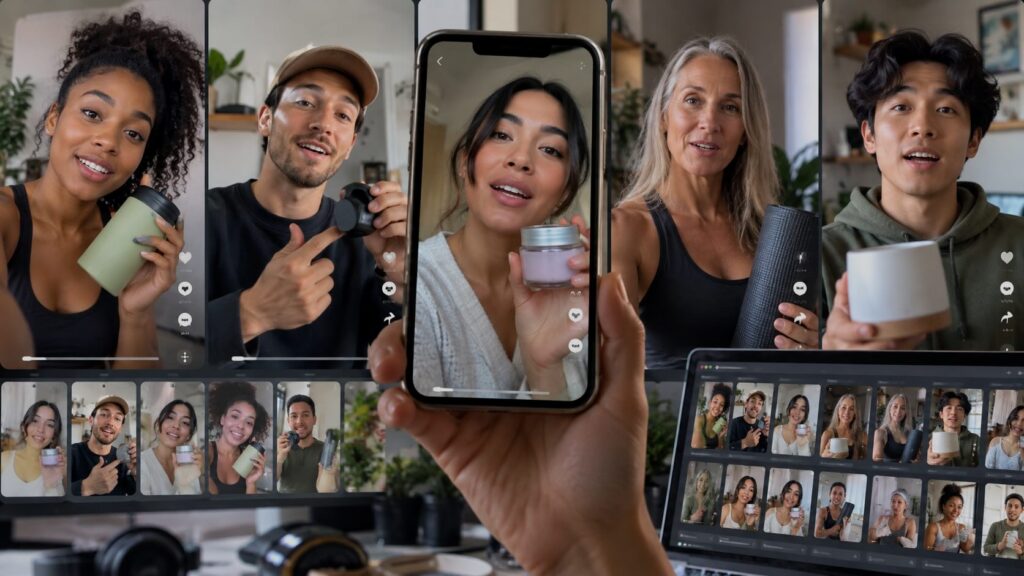
With a live-action shoot, every new version means more crew days, so most brands make one ad and hope. With AI, a new hook, scene or aspect ratio costs a fraction of a reshoot. That flips the strategy:
- Before AI: spend the budget on one polished spot, then live with the results.
- With AI: spend the budget on several strong variants, then put media money behind the winners.
The craft still matters. The hook, the offer and the edit decide the results. AI simply lets you afford to test them.
Step 1: Set One Audience, One Offer, One Action
Every variant in the campaign should share the same audience, offer and call to action. If those change between versions too, you won’t know why one ad beat another. Write them down before anyone opens an AI tool:
- Audience: who exactly you’re paying to reach.
- Offer: the one reason they should act now.
- Action: the single thing you want them to do, such as book a demo, start a trial or buy.
Step 2: Build a Creative Test Matrix
The matrix is the heart of an AI ad campaign. Change one layer at a time so you can tell what moved the numbers.
| Layer | What changes | How many to start with |
|---|---|---|
| Hook | The first 2 seconds: the opening line and image | 3 or more |
| Creative angle | The story: problem/solution, testimonial-style, humor, product hero | 2 or 3 |
| Format | AI cinematic, AI avatar presenter, or animation | 1 or 2 |
| Aspect ratio | 9:16 for Reels, TikTok and Shorts; 1:1 or 4:5 for feeds; 16:9 for YouTube and CTV | Whatever your platforms need |
| Length | 6, 15 or 30 seconds | 1 or 2 |
Three hooks on two angles in two aspect ratios is 12 deliverables. That sounds like a lot, but with AI most of the work is shared. The script, characters and scenes are built once, and the variants come from re-editing and re-generating specific shots.
Step 3: Match Creative to the Funnel Stage
| Stage | Goal | What works | What to measure |
|---|---|---|---|
| Awareness | Stop the scroll | Cinematic AI scenes, bold hooks, sound-off text | View rate, hook rate, cost per view |
| Consideration | Explain the offer | AI avatar presenters, short animated explainers | Click-through rate, watch time |
| Conversion | Get the action | Product hero shots, offer and deadline up front | Cost per lead or sale |
| Retargeting | Answer objections | Short FAQ-style avatar clips, proof and results | Conversion rate |
Step 4: Launch, Read the Results, Then Scale
- Launch all variants at once with the same budget each, so they compete on equal terms.
- Judge hooks first. View rate and the share of people who watch past the first few seconds tell you which openings work.
- Then judge angles on click-through rate and cost per result.
- Move budget to the winners and switch off the weakest versions.
- Make the next round from what won: new hooks on the winning angle, or the winning hook on a new angle.
Real Results: The 62or70 Campaign
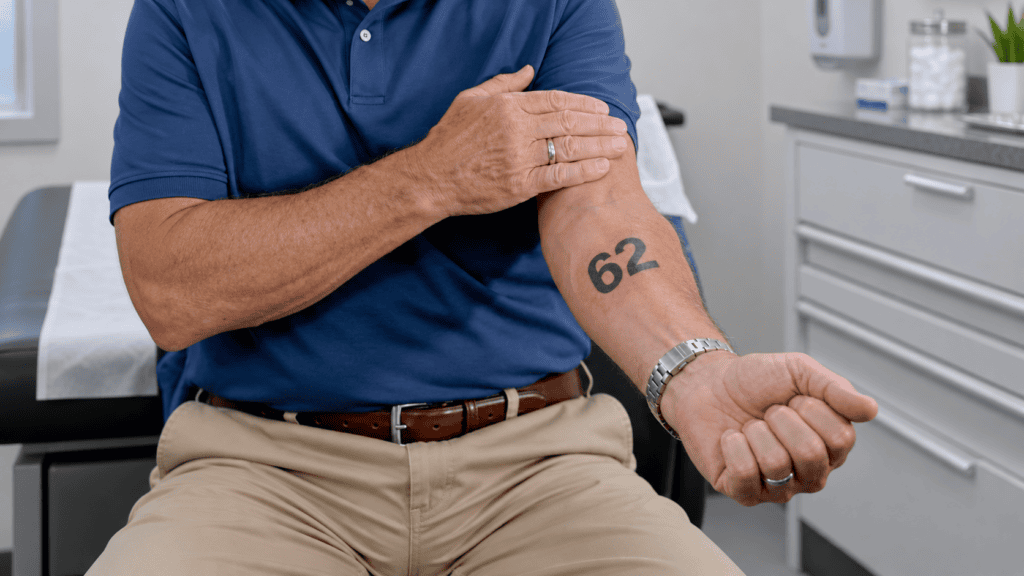
For 62or70.com, a Social Security claiming-strategy tool, we produced a multi-variant AI video campaign with several creative angles. The ads reached a 68% view rate on YouTube, more than double the typical average, and a 16% click-through rate on Facebook.
Those results didn’t come from a better AI model. They came from testing several angles at once, which AI made affordable. Read the full 62or70 AI video ads case study.
Step 5: Refresh Before Creative Fatigue Sets In
Every ad wears out as the same people see it again and again. Watch for these signs:
- Click-through rate drops while targeting and budget stay the same.
- Frequency climbs.
- Cost per result rises week after week.
When that happens, you don’t need a new campaign. Keep the winning angle and swap in new hooks, scenes or presenters. With AI this is a quick re-edit, not a reshoot. Brands that refresh creative every month often find a subscription such as Gisteo Unlimited Yearly simpler than quoting each round.
How to Budget an AI Video Ad Campaign
Split the budget into two parts and plan both from the start:
- Production: the variants. At Gisteo, AI avatar ads start around $1,000. Cinematic AI ads start around $3,500 for longer films, short social videos cost less, and multi-video packages are available.
- Media: the ad spend that tests and then scales the winners. Keep enough to give every variant a fair test before you judge it.
Spending everything on production and too little on media is the most common mistake. You end up with good ads and no data on which one works.
Campaign Checklist
- One audience, one offer, one action, written down.
- At least 3 hooks and 2 creative angles.
- Every aspect ratio your platforms need.
- Sound-off captions and on-screen text.
- Platform AI-content labels checked.
- Equal starting budgets for each variant.
- A date to review results and a plan for round two.
Frequently Asked Questions About AI Video Ad Campaigns
How many ad variations should an AI video campaign have?
Start with at least 3 hooks on 2 creative angles, exported in each aspect ratio your platforms need. That’s usually 6 to 12 deliverables, enough to learn what works without spreading the budget too thin.
How long does it take to launch an AI video ad campaign?
A first round of professionally produced AI ad variants usually takes a few days to about two weeks, depending on length, number of versions and review rounds.
How often should I refresh AI video ads?
When click-through rate falls and frequency rises, it’s time for new hooks or scenes. For active campaigns that is often every few weeks. Keep the winning angle and change the creative around it.
Can I mix AI and traditional footage in one campaign?
Yes. Many brands use AI for awareness and variant testing, and real footage for testimonials or regulated claims. A good studio will tell you which parts of the campaign need real people.
Do platforms allow AI-generated ads?
Yes. Major ad platforms accept AI-generated video. Some require you to label realistic synthetic content, especially for political or social-issue ads. Check each platform’s current policy before launching.
Get a Free AI Video Ad from Gisteo
Want to test the idea before you plan a whole campaign? Gisteo will make you a free cinematic social video ad of 15 seconds or less. Email info@gisteo.com, answer a few quick questions and attach your logo. There are no strings attached, and you own the video.
Ready for a full campaign? See our AI video production services.