
Introduction
Overview of Video Production Landscape
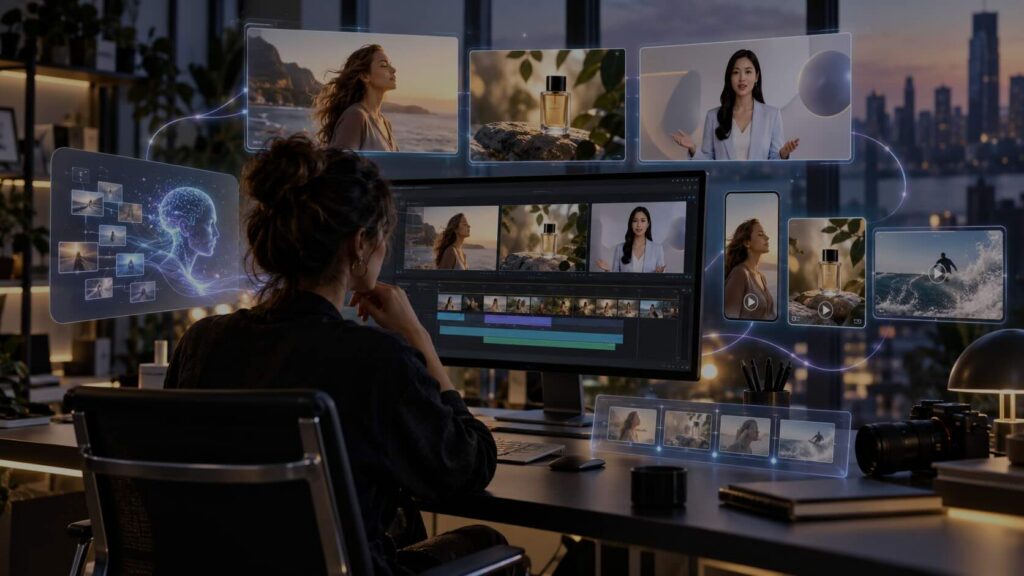
The video production landscape has evolved dramatically over the past decade. Gone are the days when you needed a massive crew, expensive equipment, and weeks of post-production to create engaging content. Today, we have AI-powered video editing, automated storytelling with AI, and even deep learning video tools that can transform raw footage into polished masterpieces in record time.
According to a recent report, the global AI in video analytics market was valued at USD 4.10 billion in 2020 and is expected to grow at a compound annual growth rate (CAGR) of 22.7% from 2021 to 2028. This isn’t just a trend; it’s a revolution!
- Engagement: Videos keep viewers glued to their screens longer.
- Conversion Rates: Including videos on landing pages can increase conversions by up to 80%.
- SEO Benefits: Google loves video content, which can boost your search rankings.
The bottom line? If you’re not using video as part of your marketing strategy, you’re missing out on a huge opportunity!
Introduction to Gisteo and Traditional Video Production
This brings us to our main event: Gisteo vs. traditional live action video production! Traditional methods have their charm-think cinematic flair and high production value-but they also come with hefty price tags and timelines that could make a snail seem speedy.
On the flip side, Gisteo offers innovative AI animation services, allowing for quick turnaround times and personalized experiences that traditional methods simply can’t match. Imagine creating an entire explainer video without breaking the bank or waiting eons for edits!
Key Takeaway: As businesses increasingly recognize the power of video content, understanding how AI-driven solutions like Gisteo stack up against traditional production methods will help you make informed decisions about your marketing strategy.
Understanding Traditional Video Production
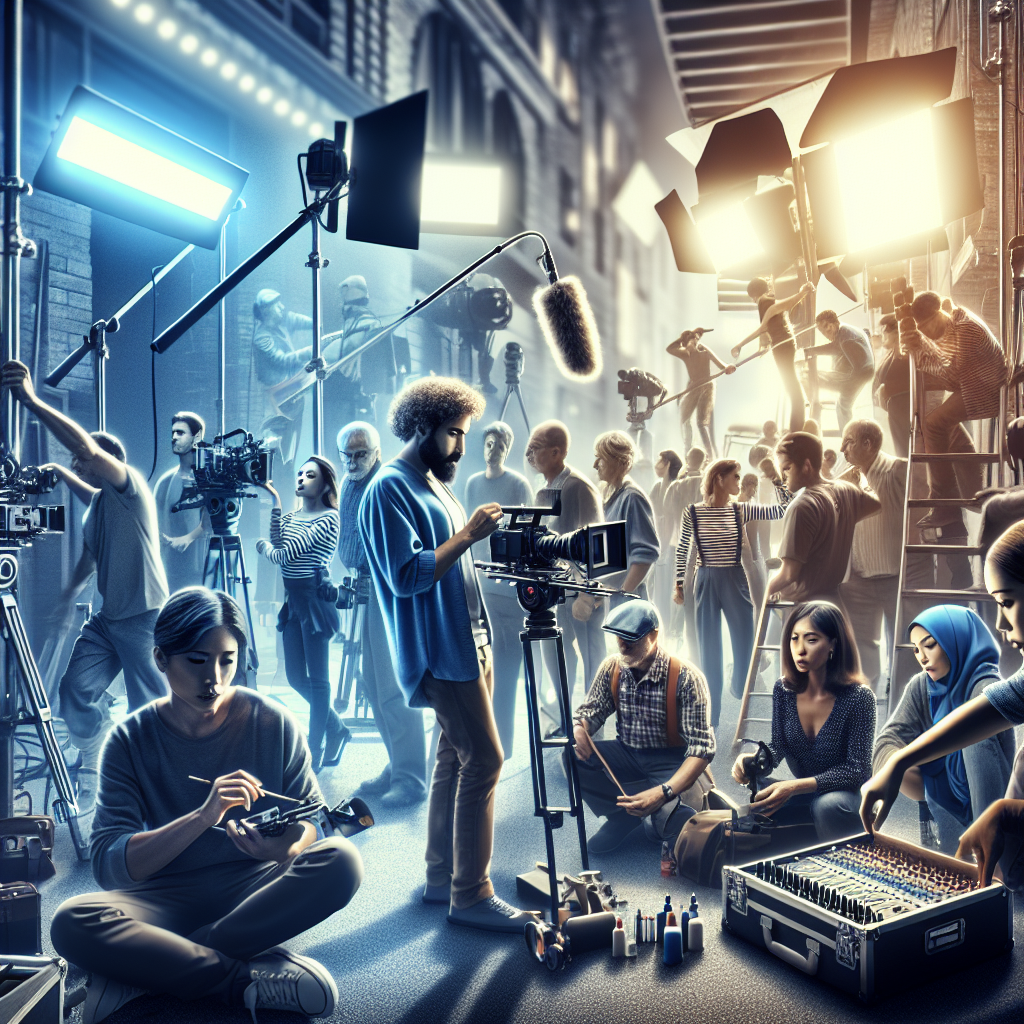
- Pre-Production: Scriptwriting, storyboarding, casting, and location scouting.
- Production: The actual filming process involving actors, directors, and cinematographers.
- Post-Production: Editing footage, adding sound effects, color correction, and finalizing the product.
This process can be labor-intensive and time-consuming but often results in high-quality videos that resonate with audiences.
- Crew: Directors, producers, camera operators, sound engineers-each plays a crucial role in bringing your vision to life.
- Equipment: High-end cameras, lighting rigs, and sound equipment are essential for capturing stunning visuals and clear audio.
- Scripting: A strong script lays the groundwork for everything; it’s your blueprint for storytelling.
- Edit Suite: Where the magic happens! This is where raw footage transforms into a polished final product through editing software.
This intricate network ensures that every frame is crafted with care. However, it can also lead to longer timelines and higher costs compared to AI video solutions.
| Aspect | Estimated Cost Range |
|---|---|
| Scripting & Planning | $1,000 – $10,000+ |
| Crew Costs (per day) | $500 – $5,000+ |
| Equipment Rental (per day) | $300 – $2,000+ |
| Edit Suite Hours | $50 – $150 per hour |
| Total Production Timeframe | 4 weeks – 6 months+ |
This can add up faster than you can say “action!” But remember: quality often comes at a price. If you want cinematic flair or high production value that traditional methods offer, be prepared to invest both time and money.
Pros and Cons of Traditional Methods
The Good Stuff:
- High Production Quality: Traditional methods often yield stunning visuals that captivate viewers.
- Creative Control: Directors have complete control over every aspect of the film-making process.
- Established Techniques: Tried-and-true methods have been refined over decades to deliver compelling stories.
The Not-So-Good Stuff:
- Costly Endeavor: As noted earlier, traditional video production can be expensive!
- Time-Consuming: From concept to completion can take weeks or even months!
- Limited Flexibility:User-driven changes during production may lead to delays or additional costs.
This brings us back to our main event: while traditional methods offer undeniable benefits in terms of quality and control, they also come with drawbacks that could make you reconsider when exploring options like Gisteo’s AI-powered video solutions. Why wait ages for edits when you could have an AI video company, like Gisteo at your fingertips?
The takeaway? Understanding traditional methods’ strengths and weaknesses will empower you as you navigate the ever-evolving landscape of video production!
The Rise of AI Video Companies like Gisteo
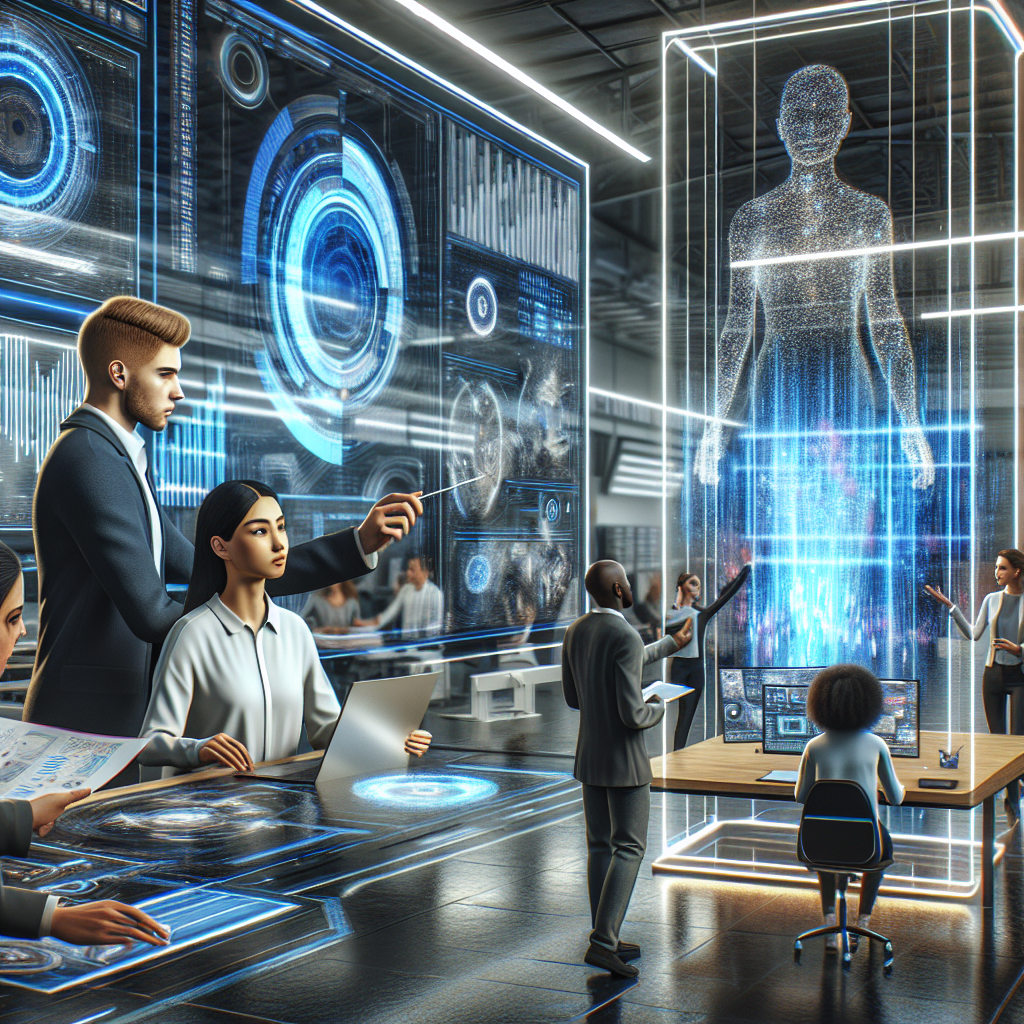
- Automated Video Creation: AI can generate videos from scripts or storyboards, reducing the time spent on pre-production.
- Smart Video Analytics: These tools analyze viewer engagement in real-time, providing insights that help tailor content for maximum impact.
- AI Video Generation Services: Forget waiting weeks for output! AI can create stunning visuals almost instantly.
- Predictive Analytics: By analyzing past performance, AI can suggest what types of content will resonate with audiences.
This technological leap not only accelerates production but also enhances creative possibilities. Imagine creating personalized video experiences with AI that adapt to viewer preferences-now that’s next-gen!
- Cost Efficiency: With reduced manpower and quicker turnaround times, businesses save money while still producing high-quality content.
- Increased Flexibility: Need changes? No problem! AI makes it easier to adapt content without extensive rework.
- Simplified Processes: From scripting to editing, automated tools streamline workflows and reduce complexity.
- Enhanced Quality: With features like intelligent video processing, the final product often exceeds expectations.
The Bottom Line: Embracing an AI-driven film production approach can lead to not just better videos but also more effective marketing strategies overall!
Case studies or examples of successful AI-generated videos
If you’re still skeptical about the power of AI in video creation, let’s look at some real-world success stories that showcase its capabilities:
- BBC’s “The Next Generation”: This project utilized AI-generated videos, creating engaging educational content tailored for younger audiences. The result? A 60% increase in viewer retention!
- Coca-Cola’s Personalized Ads: Coca-Cola harnessed AI-enhanced multimedia production company USA‘s capabilities to create personalized ads based on user data, leading to higher engagement rates across social media platforms.
- P&G’s “The Future is Now”: This campaign featured interactive videos powered by machine learning that allowed viewers to choose their story paths. It generated over 1 million views within the first week!
The takeaway here? When done right, leveraging an AI video company, like Gisteo, can yield remarkable results that traditional methods simply can’t match!
Comparing Gisteo with Traditional Live Action Video Production
| Aspect | Traditional Video Production Cost | Gisteo Cost |
|---|---|---|
| Scripting & Planning | $1,000 – $10,000+ | $2,000-$4,000 |
| Crew Costs (per day) | $500 – $5,000+ | N/A (automated) |
| Equipment Rental (per day) | $300 – $2,000+ | N/A (cloud-based tools) |
| Edit Suite Hours | $50 – $150 per hour | Included in package pricing |
| Total Production Timeframe | 4 weeks – 6 months+ | 1-2 weeks or less! |
The numbers speak for themselves! With Gisteo’s AI video solutions, you can save money while still achieving high-quality results.
- Rapid Turnaround: Get your videos in days instead of weeks or months.
- No Scheduling Headaches: Say goodbye to coordinating crew schedules and location bookings.
- Real-Time Edits: Need changes? Adjustments can be made on the fly with AI-driven tools.
This efficiency not only saves time but also allows businesses to pivot quickly based on market trends or audience feedback-something traditional methods struggle with.
Creative Flexibility: Animated vs. Live-Action Content
The age-old debate: animated content versus live-action videos. Traditional production often leans heavily on live-action, which can be visually stunning but may lack the versatility of animation. Enter Gisteo’s innovative AI animation services:
- Diverse Styles: From whimsical animations to sleek corporate visuals-Gisteo can do it all!
- Easier Adjustments: Change colors, characters, or even entire scenes without reshooting anything!
- Catering to Different Audiences: Tailor your content to fit various demographics effortlessly.
This creative flexibility allows companies to explore new storytelling avenues while keeping their brand message intact.
Choosing the Right Option for Your Business Needs
- Production Speed: How quickly do you need your video? Gisteo can whip up content in days, while traditional methods may take weeks.
- Budget Constraints: Traditional production can drain your wallet faster than you can say “budget cuts.” Compare costs to see what fits your financial plan.
- Creative Flexibility: Do you want to make changes on the fly? AI tools allow for real-time edits, whereas traditional methods might require reshoots.
- What is my maximum budget?
- Can I afford delays that come with traditional methods?
- Aren’t I better off investing in scalable AI video solutions?
- Younger Audiences: Tend to favor animated content that’s engaging and fun.
- B2B Clients: Often appreciate polished, professional videos that convey authority.
- Diverse Demographics: Gisteo’s AI animation services can easily cater to various audience segments!
The key here? Always align your production method with what resonates best with your viewers!
- What do I want my audience to feel?
- Is my message best represented through animation or live-action?
- Aren’t AI-generated videos great for simplifying complex topics?
The Growing Role of AI in Creative Industries
The rise of AI in creative fields isn’t just a fad; it’s a full-blown revolution! From automated video creation to predictive analytics for videos using AI, businesses are harnessing technology like never before. This shift means you can now produce high-quality content without sacrificing creativity or budget!
- Sleek Visuals: High-quality animation from Gisteo keeps viewers intrigued.
- Simplified Access: Cloud-based platforms allow easy sharing across channels.
Sustainability in Video Production Practices
The Environmental Impact of Traditional Methods:
The carbon footprint from traditional filming-think travel, equipment transport, and set construction-can be significant. It’s time for change!
The Potential for Eco-Friendly Practices in AI Production:
An AI video company, like Gisteo, leverages cloud-based solutions that minimize waste and energy consumption while maximizing output efficiency.
The takeaway here? Choosing between Gisteo’s innovative approach and traditional methods requires careful consideration of multiple factors-from budget constraints and audience preferences to environmental impact. Make an informed choice that aligns with both your business goals and values!
The Future of Video Production: Trends to Watch Out For
- Sleek Visuals: High-quality animations from AI-driven platforms keep viewers glued to their screens.
- Simplified Access: Cloud-based solutions allow easy sharing across multiple channels, making your content accessible anytime, anywhere.
Failing to meet these expectations could leave your audience feeling unsatisfied-like ordering a gourmet meal only to receive fast food!
Where AI Video Helps Marketing Most
Beyond production speed, AI changes what a marketing team can do with video:
- Versions at scale. One approved message can become many versions for different audiences, industries, languages or placements without a new production cycle for each.
- Faster testing. Because versions are cheap to make, you can test hooks, openers and calls to action, then put more budget behind the ones that work.
- Quicker optimization. Watch time, drop-off points and click-through rates show where viewers lose interest, and AI-assisted editing makes it practical to fix those moments while a campaign is still running.
- Human judgment where it counts. With technical tasks automated, the team’s time goes into strategy, messaging and story, which is what makes a video persuasive.
There’s a responsibility side too. Be open about when AI is used, check that AI-generated people and scenes represent your audience fairly, and don’t use synthetic likenesses or voices without permission. Trust takes longer to rebuild than a video takes to make.
Conclusion: Why Gisteo Is the Smarter Choice
The debate between traditional video production and AI-powered solutions isn’t about declaring one obsolete. Each has its place. Traditional methods still shine when you need big-budget cinematic flair, but for most businesses, the realities of cost, speed, and flexibility point toward a new path.
That’s where Gisteo comes in. We combine over a decade of storytelling expertise with cutting-edge AI video production to deliver videos that are smart, affordable, and lightning-fast. Our approach eliminates unnecessary overhead while keeping the heart of what matters—the script, the story, and the strategy—front and center.
Whether you’re a startup looking for your first explainer video or a global brand needing scalable content at speed, Gisteo helps you get results without the headaches of old-school production. The future of video is here, and with Gisteo, you don’t just keep up—you stay ahead.
For more information about our AI video production services, click here.
Schedule an AI video consultation here.